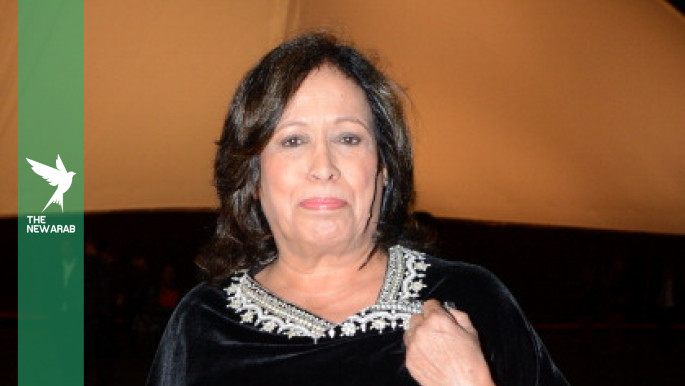
Kuwaiti actress Hayat Al-Fahad, widely known as the “Lady of the Gulf Screen”, has died at the age of 78 following an illness, bringing to a close a career that helped shape Gulf drama for more than six decades.
Her death was announced on Tuesday through her official Instagram account, which described her as “an icon of Gulf drama” who leaves behind “a timeless legacy that will be remembered for generations”.
Al-Fahad had faced mounting health complications in recent years. Reports about her deteriorating condition resurfaced last year after she underwent a catheterisation procedure following a stroke.
Born in Kuwait in 1948, Al-Fahad was raised in difficult circumstances after the death of her father. She did not complete formal schooling but taught herself to read and write in Arabic and English before working at Al-Sabah Hospital.
She entered the entertainment industry in the 1960s after being encouraged to act by Qatari performer Hussein Bu Jassum. Her breakout role came in the television series Bu Jassum’s Family, launching what would become one of the most influential careers in Gulf television.
Over the following decades, she starred in numerous landmark productions, including Khalti Qumasha, Ruqiya wa Sabika, Jarh Al Zaman and When Flowers Sing.
She was also known for balancing serious social drama with comedy, helping broaden the appeal of Gulf television across the Arab world.
Beyond acting, Al-Fahad also wrote drama scripts, worked in radio broadcasting and published poetry, cementing her reputation as one of Kuwait’s most versatile cultural figures.
Her final major screen appearance came in the Ramadan 2025 series Afkar Omi, after missing the 2024 season due to ill health.
Her long career was not without controversy. In 2020, she faced criticism over comments calling for a reduction in Kuwait’s expatriate population during the Covid-19 pandemic. That same year, the series Um Haroon, in which she starred, sparked debate over its portrayal of Jewish life in the Gulf and wider regional politics.
Tributes poured in following news of her death. Khalid Al-Rashed, head of the Kuwaiti Union for Artistic, Theatrical and Entertainment Production, said she died “after a struggle with illness, following a career rich in artistic and humanitarian giving”.
He added that Al-Fahad was “one of the symbols of Gulf drama” whose legacy would remain in the memory of future generations.