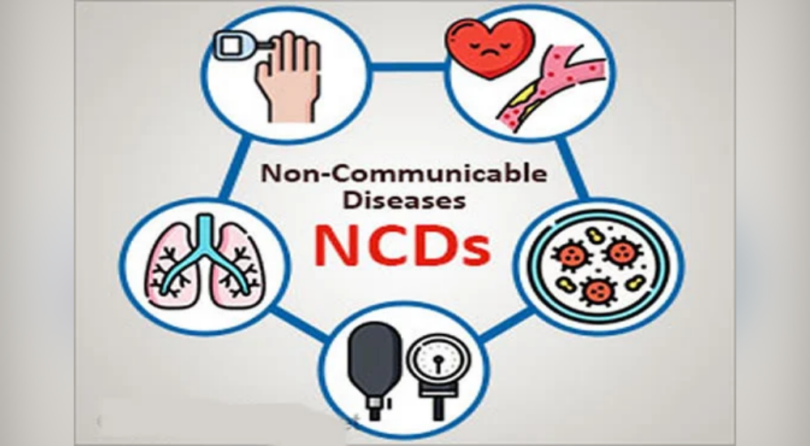
Health experts have urged Nigeria to shift from treating non-communicable diseases (NCDs) to preventing them.
They called for stronger primary healthcare, early diagnosis and sustained funding to address the growing burden of hypertension, diabetes, cancer, stroke and chronic respiratory illnesses.
The call was made on Thursday in Abuja at the launch of a two-volume book, Review of Non-Communicable Diseases in Nigeria, published by the Health Reform Foundation of Nigeria (HERFON) to examine the country’s burden of chronic illnesses and the evidence needed to guide prevention and treatment.
Speaking at the event, the chief launcher’s representative, Dr Mehdi Onusaka, said the burden of NCDs was taking a toll on Nigerian families, communities and the economy, despite decades of government attention to communicable diseases, maternal and child health, and epidemic preparedness.
She said the crisis extended beyond medical care to issues of health financing, governance, prevention and public policy.
“When a patient develops a stroke because hypertension was never diagnosed, that is not merely a clinical failure,” she said, stressing the need to address weaknesses in the health system.
Onusaka, who disclosed that she was diagnosed with hypertension before the age of 40, said chronic diseases could affect people long before old age.
She identified unhealthy diets, tobacco use, air pollution, physical inactivity and harmful environmental exposures as factors contributing to the growing burden.
According to her, primary healthcare facilities should play a central role in risk assessment, screening, health education and early intervention, supported by stronger funding for prevention and treatment.
She also called for increased investment in research and health data, as well as greater collaboration across government institutions and society.
“The burden of NCD disease is not inevitable. It can be prevented. It can be reduced,” she said, adding that sustained political commitment, investment, innovation and partnership were necessary to achieve meaningful progress.
The Coordinating Minister of Health and Social Welfare, Professor Muhammad Pate, said Nigeria’s health system faced persistent governance and funding challenges, particularly under its decentralised structure, which gives states and local governments significant responsibilities for healthcare delivery.
He urged state governments to allocate more resources to healthcare, especially primary healthcare, to complement federal interventions.
Pate said NCDs were becoming one of the fastest-growing components of Nigeria’s disease burden, even as the country continued to contend with malaria, tuberculosis, HIV and maternal and child health challenges.
He identified hypertension, diabetes, cardiovascular diseases, stroke, cancers and neurological disorders among the major concerns, with population ageing and changing lifestyles contributing to the rising prevalence of chronic illnesses.
He said the growing burden required Nigeria to prepare its health system to manage both existing public health problems and emerging disease patterns.
Pate also called for more research into how NCDs affect African populations, noting that much of the existing medical knowledge was based on studies conducted outside the continent.
He said stronger collaboration among federal, state and local governments, civil society and the private sector was necessary to improve health sector governance.
He also stressed the need for transparency, accountability and responsiveness to citizens to ensure that public spending translated into better health outcomes.
Pate said the federal allocation to the health sector had risen to six per cent, while acknowledging that more funding was needed to meet the country’s healthcare needs.
Reviewing the publication, Professor Basil Okeahialam said Nigeria needed a stronger evidence base for understanding and managing NCDs rather than relying heavily on medical knowledge and treatment approaches developed elsewhere.
He said diseases could manifest differently across populations and geographical settings, making locally relevant research necessary for effective prevention and treatment.
The two volumes cover cardiovascular diseases, hypertension, diabetes, stroke, cancers, sickle cell disease, rheumatological conditions, chronic respiratory diseases, kidney disease, epilepsy, dementia and other mental health disorders.
They also examine the economic effects of NCDs, occupational health, the impact of COVID-19 on people with chronic illnesses, artificial intelligence in cardiovascular care, smoking cessation, disease prevention and management, and injuries associated with violence and road traffic accidents.
Okeahialam said the publication was a rewritten version of an earlier document on NCDs in Nigeria, first published in 2013, following a review process led by a committee headed by Professor G.C. Onyemelukwe.
He linked the growing burden of chronic illnesses to urbanisation, industrialisation, changing diets, stress, inadequate sleep and physical inactivity, warning that the effects extended beyond patients to their families, productivity and the wider economy.
He urged stakeholders to sustain public discussion on NCD prevention and control beyond the book launch.
In his opening remarks, the Niger State Commissioner for Health, Dr Murtala Bagana, said evidence should guide public health policies, investments and interventions.
He said the publication’s impact would depend on whether its findings informed practical programmes, earlier diagnoses and better health outcomes.
Bagana identified prevention, routine screening, reliable health data, affordable medicines and diagnostic services, and the integration of NCD care into primary healthcare as priorities for addressing chronic illnesses.
He called for sustained cooperation among governments, researchers, healthcare professionals, development partners, communities and the private sector.
The commissioner said the Niger State Government was committed to building a responsive, accessible and sustainable health system under its New Niger Health Agenda and expressed readiness to work with stakeholders to translate the publication’s findings into improvements in disease prevention and care.