LONDON, U.K.: OPEC cut its forecast for global oil demand growth in 2026 on May 13, citing the impact of the Iran war and the disruption of energy supplies through the Strait of Hormuz.
In its monthly report, OPEC said world oil demand is expected to rise by 1.17 million barrels per day in 2026, down from its previous forecast of 1.38 million barrels per day.
The group also lowered its estimate of second-quarter demand to 104.57 million barrels per day, down from 105.07 million barrels per day forecast last month.
The downgrade follows similar revisions by the International Energy Agency, although OPEC continues to project a smaller decline in consumption than the IEA.
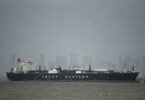
The war in the Middle East has effectively shut the Strait of Hormuz, a critical shipping route for global oil exports, reducing supplies from the region and driving up fuel prices worldwide.
OPEC said global economic growth has remained relatively resilient despite the conflict.
“The global economic growth continues to show resilience for this year despite geopolitical tensions, particularly in the Middle East,” OPEC said in the report.
The group left its broader economic growth forecasts unchanged.
OPEC expects demand to recover in 2027 and raised its forecast for that year by 200,000 barrels per day.
It now projects oil demand growth of 1.54 million barrels per day in 2027. The report also showed that OPEC+ production fell sharply in April.
The alliance, which includes Russia and other major producers, had planned to increase output beginning in April, but the closure of Hormuz has made it difficult to deliver additional supplies to world markets.
According to data compiled from secondary sources, OPEC+ crude production averaged 33.19 million barrels per day in April, down 1.74 million barrels per day from March.
The April figures include the United Arab Emirates, which formally left OPEC on May 1.