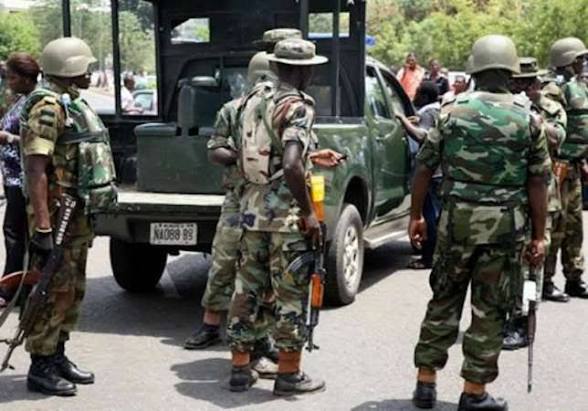
Opposition parties have rejected any plan to deploy military personnel to polling units during the 2027 general elections, warning that such a move could threaten the credibility of the electoral process.
The concerns followed remarks by the Chairman of the Independent National Electoral Commission, Prof. Joash Amupitan (SAN), who raised alarm over rising insecurity across the country ahead of the polls.
Speaking during a visit to the Inspector-General of Police, Tunji Disu, in Abuja, Amupitan said worsening violence and threats to electoral activities could affect the conduct of free and credible elections in 2027.
He stressed the need for proactive security measures and collaboration between INEC and security agencies to protect voters, electoral officials and election materials.
“The scale of insecurity across the various parts of Nigeria presents a threat to the conduct of fair elections,” Amupitan said.
The INEC chairman also called for special attention to Internally Displaced Persons camps and persons living with disabilities to ensure they are not denied the opportunity to vote.
In response, the Inspector-General of Police assured Nigerians that the police had already begun intelligence gathering and threat assessments ahead of the elections.
Disu said officers involved in ballot snatching, voter intimidation, vote buying and attacks on electoral officials would be arrested and prosecuted.
Despite the assurances, opposition parties argued that election security should remain the responsibility of civil security agencies and not the military.
National Coordinator of the Obidient Movement, Dr Yunusa Tanko, said the police should be properly equipped to manage election security instead of deploying soldiers to polling centres.
He warned against using insecurity as an excuse to undermine the 2027 elections.
Labour Party spokesman, Ken Asogwa, also opposed the idea, describing elections as civic exercises that should not be militarised.
“It is unfortunate that we are talking about soldiers during elections. Soldiers are trained for war, not to man polling units,” he said.
The Peoples Democratic Party’s Interim National Working Committee also faulted the proposal, insisting that INEC should focus more on restoring public confidence in the electoral process.
The committee’s spokesman, Ini Ememobong, said partisanship and lack of trust in the electoral body remained a bigger threat to credible elections.
The New Nigeria People’s Party also urged the Federal Government to tackle insecurity before the elections rather than considering military deployment at polling units.
Meanwhile, insecurity concerns have already started affecting political activities ahead of 2027.
The Social Democratic Party announced the relocation of its national convention from Abuja to Bauchi State, citing security and logistical concerns.