
The Federal Government has disclosed that it has mobilised more than $6bn from the World Bank and other development partners to tackle poverty, strengthen household resilience and expand economic opportunities for Nigerians.
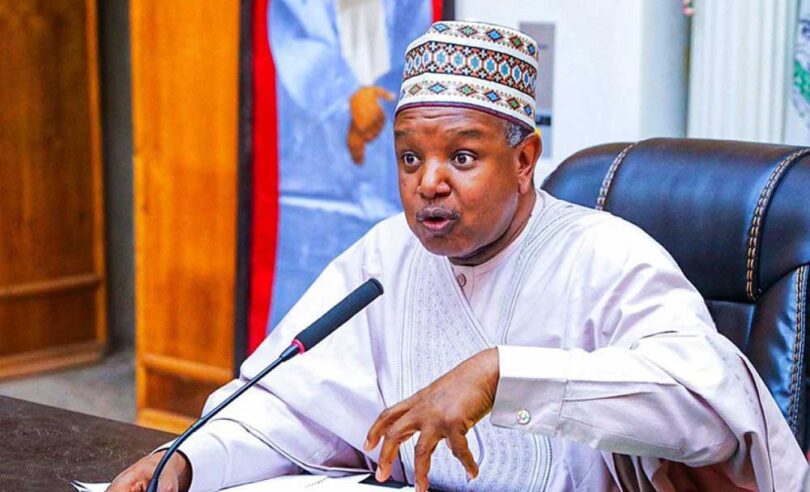
The Minister of Budget and Economic Planning, Senator Abubakar Atiku Bagudu, disclosed this in Abuja at the 32nd Nigerian Economic Summit, themed “Growth That Works: Delivering Jobs, Productivity and Shared Prosperity.”
Bagudu said the funding was part of the government’s efforts to improve livelihoods, support vulnerable households and create opportunities for Nigerians amid ongoing economic reforms.
He said the administration remained committed to sustaining its reforms, insisting that the government would not return to fuel subsidy.
“There will be no return to subsidy. We recognise the need to calibrate and do better,” he said.
The minister explained that the reforms were designed to stabilise the economy, improve productivity, generate employment and broaden prosperity.
According to him, Nigeria’s economy has recorded positive growth for two consecutive quarters, while inflation and interest rates were declining.
Bagudu also said revenue allocations to the federal, state and local governments had increased, with some states and local governments recording more than fivefold increases in monthly revenue.
He attributed the increase to the distribution of revenue among the three tiers of government to enable them to discharge their constitutional responsibilities.
The minister said the government was targeting a $1tn economy, stressing that achieving the objective would require sustained economic growth, increased productivity and broader participation in economic activities.
He said President Bola Tinubu had challenged the administration to build an inclusive economy capable of creating opportunities and delivering greater prosperity to Nigerians.
Bagudu stressed the need for stronger collaboration among the federal, state and local governments to coordinate fiscal and monetary policies and improve spending on security and infrastructure.
He said the government was also prioritising grassroots development, skills acquisition, early childhood development and support for small and medium-sized enterprises.
According to him, improved agricultural productivity and stronger domestic production would be critical to creating jobs, raising incomes and improving living standards.
The minister said the private sector had a crucial role to play in driving economic growth, adding that investors needed confidence in the economy to expand their businesses, improve productivity and generate employment.
He said the government would continue to implement its reforms while adjusting policies where necessary to address poverty and improve economic outcomes.
“We are staying the course,” Bagudu said, reaffirming the administration’s commitment to its reform agenda.
He urged Nigerians to acknowledge the progress recorded so far and support efforts to sustain the reforms.