“What we have seen by members of the G24 and across particularly the developing countries such as those in Africa, is an increasing body of not just high debts, but high costs of debts,” he said.
Nigeria’s Minister of Finance and Co-ordinating Minister of the Economy, Taiwo Oyedele, on Tuesday expressed concerns over the high cost of borrowing among developing economies and other members of the Group of 24 Nations (G-24).
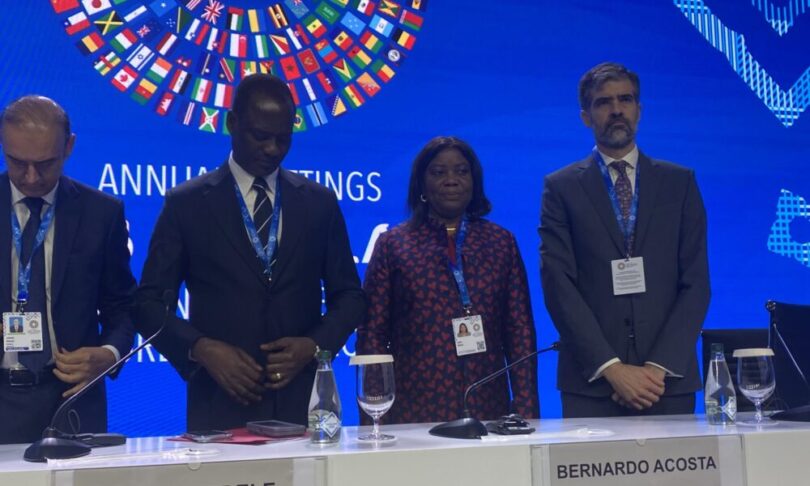
Mr Oyedele spoke on the sidelines of the annual meetings of the International Monetary Fund and World Bank in Bangkok, Thailand.
The minister said estimates showed developing nations were paying roughly $500 billion more for their debt than developed countries, as economies grapple with growing fiscal deficits.
“What we have seen by members of the G24 and across, particularly the developing countries such as those in Africa, is an increasing body of not just high debts, but high costs of debts,” he said.
Developing economies have come under immense pressure this year, strained by supply shocks from the ongoing war in the Middle East, rising food prices triggered by a “super El Niño” and surging borrowing costs.
The super El Niño is an informal name for an extremely strong El Niño event where sea surface temperatures in the central and eastern tropical Pacific Ocean rise by 2.0°C or more above the long-term average, as measured via the Oceanic Niño Index.
“These developments impact emerging markets and developing economies’ progress towards achieving inclusive and job-rich economic transformation,” Mr Oyedele said.
The minister explained that after its meetings, members of the G24 urged the IMF and World Bank to “provide more accessible and affordable concessional financing to vulnerable countries in the near-term.”
Also speaking at the conference, the director of the G-24 Secretariat, Iyabo Masha, expressed worries over the cost of borrowing for many developing economies.
“Debt is something that restrains growth, because countries then do not have enough resources to finance further growth, or they are spending most of their resources just paying off the debt,” she said.
She added, however, that many countries have improved their debt management and sovereign debt architecture. She cited the example of Senegal, which she said was close to a final resolution with its creditors.
That’s a template that could help countries resolve debt crises more quickly, she explained.