
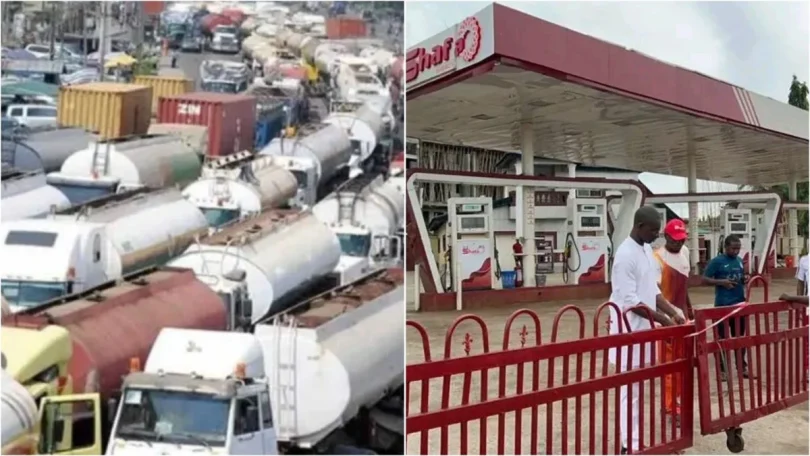
Petrol prices across Nigeria are expected to rise as fuel importers have announced a new depot rate of N1,350 per litre, up from the current N1,230 per litre.
POLITICS NIGERIA reports that the new development is likely to increase the cost of petrol at filling stations nationwide.
According to industry sources, importers have already informed petroleum marketers of the new depot price, which is expected to take effect today, July 17.
The increase reflects the rising cost of imported petrol cargoes and means marketers purchasing products from importers will have to pay more before selling to consumers. As a result, motorists and businesses are expected to face higher fuel costs in the coming days.
The development comes shortly after the Nigerian Midstream and Downstream Petroleum Regulatory Authority (NMDPRA) issued a fresh round of fuel import licences for the third quarter of 2026. The licences permit selected companies to import petrol and diesel between July and September as part of efforts to ensure adequate fuel supply across the country.
According to a market intelligence report by Argus, companies approved to import petrol include AA Rano, AYM Shafa, Bono, NIPCO and Pinnacle. The report also showed that AA Rano, AYM Shafa, Bono, Matrix and Pinnacle received approval to import diesel during the same period.
The planned increase in depot prices also follows renewed tensions between the United States and Iran, which have disrupted shipping activities through the Strait of Hormuz, one of the world’s busiest oil transport routes. The disruption has increased the cost of transporting imported fuel cargoes, leading to higher prices for importers bringing petrol into Nigeria.
A source familiar with developments in the downstream petroleum sector questioned the latest price increase, saying it goes against the objective of issuing additional import licences to encourage competition and lower fuel prices for consumers.
“The expectation was that additional import licences would encourage competition and provide consumers with more pricing options. Instead, importers are announcing higher prices that will ultimately be passed on to Nigerians,” The cable quoted the source.
Another petroleum products marketer said filling stations that rely on imported fuel would have little choice but to increase their pump prices because of the higher cost of buying products from depots.
“Retailers buying imported products have little choice but to pass the increase onto consumers. That is how the market works,” the marketer said.
The marketer, however, noted that products supplied by Dangote Petroleum Refinery remain cheaper than imported fuel, giving marketers who source directly from the refinery a pricing advantage over those relying on imports.
Meanwhile, Dangote Petroleum Refinery, days ago, announced the transition from naira-based fuel sales to dollar-denominated transactions. The refinery cancelled all existing naira invoices and introduced new prices of $0.779 per litre for Premium Motor Spirit (petrol), $1.087 per litre for diesel and $0.942 per litre for aviation fuel.
The refinery explained that the decision followed persistent challenges in sourcing sufficient crude oil locally under the government’s naira-for-crude arrangement with the Nigerian National Petroleum Company Limited (NNPCL). As a result, it has increasingly depended on crude oil purchased from the international market, where transactions are conducted in U.S. dollars.
Although the switch to dollar sales is expected to reduce foreign exchange risks for the refinery, it has created new challenges for petroleum marketers, who must now secure foreign currency before purchasing products. Industry observers say this has increased replacement costs for marketers and contributed to rising prices at depots and filling stations.