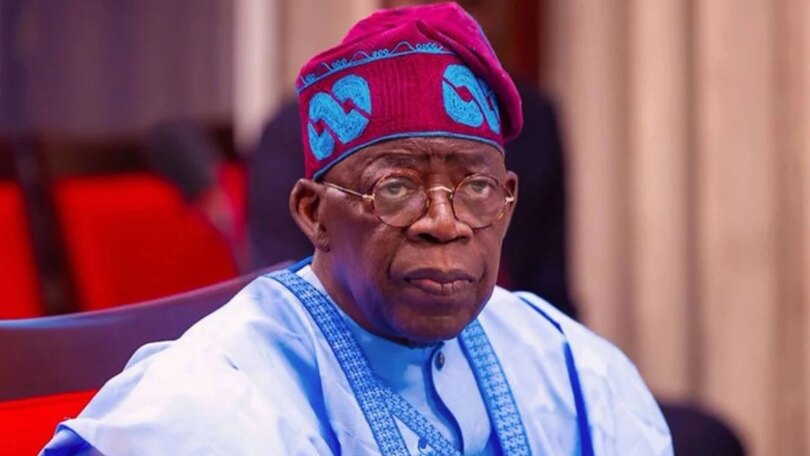
The Presidency has rejected a report by The Economist claiming that Nigerians dislike President Bola Tinubu.
Politics Nigeria reports that the Special Adviser to the President on Media and Public Communications, Sunday Dare, described the claim as “intellectual fraud” in a statement issued on Tuesday.
Recall that The Economist, in a report published on October 1, had said Tinubu could retain the presidency in the 2027 election despite widespread public dissatisfaction.
The publication identified incumbency and access to the structures of the ruling party as factors that could work in Tinubu’s favour.
It also cited the fragmentation of the opposition, religion and voter cynicism as issues that could influence the outcome of the 2027 election.
However, the Presidency dismissed the assessment, accusing the foreign publication of presenting a distorted picture of Nigeria and the Tinubu administration.
Dare said foreign publications had repeatedly viewed Nigeria through a narrow lens while ignoring the complexities of the country and the impact of the government’s policies.
He said the claim that Nigerians “hate President Bola Ahmed Tinubu” was a “lazy, hollow fiction” that failed to reflect the realities across the country.
According to him, the administration inherited a severely weakened economy when it assumed office in May 2023.
He said Tinubu inherited an economic system burdened by fuel subsidy, multiple foreign exchange windows, high debt-service obligations and years of underinvestment in critical infrastructure.
Dare argued that the administration had to take difficult decisions to address the problems rather than postpone them.
He said the resulting hardship should be understood as part of the transition required to correct longstanding economic distortions.
The Presidency highlighted the removal of fuel subsidy and the reform of the foreign exchange market as major measures undertaken by the administration.
It claimed that the subsidy removal had saved the federation trillions of naira and allowed resources to be redirected towards productive investment and fiscal sustainability.
The government also said the forex reforms had reduced systemic arbitrage while contributing to increased foreign portfolio investments, trade surpluses and improved external reserves.
Dare also listed the Nigerian Education Loan Fund, NELFUND, among the administration’s achievements.
He said hundreds of thousands of indigent students had been able to pursue higher education through the scheme without the burden of tuition fees.
The Presidency also pointed to local government autonomy, the increase in the national minimum wage and the deployment of Compressed Natural Gas buses as measures introduced by the administration.
It said the measures had helped to ease economic pressure on Nigerians.
The government further cited its agricultural interventions, including fertiliser distribution, agro-loans and the provision of tractors and other farming equipment.
According to Dare, the initiatives were aimed at improving food production and strengthening rural economies.
He rejected the suggestion that Nigerians were broadly hostile to Tinubu, arguing that the administration’s beneficiaries had a different experience of the government.
Dare said students benefiting from NELFUND, workers whose wages had increased, local government officials with greater financial autonomy and farmers receiving government support could attest to the impact of the reforms.
“The notion that millions of Nigerians harbour blind hatred for President Tinubu collapses when you meet everyday reality.
“Walk into the lecture halls of federal and state universities, and you will find students and relieved parents whose educational dreams have been rescued by NELFUND,” the statement partly read.
He acknowledged that Nigeria remained confronted by economic, political and security challenges.
However, he argued that these difficulties should not be used to reduce the country’s complex situation to a narrative of widespread despair or inevitable rejection of the President.
Dare maintained that Tinubu’s policies had placed the country on an “irreversible path” towards sustainable growth, fiscal independence and long-term prosperity.