As the All Progressives Congress (APC) prepares to launch its 2027 presidential campaign in Kaduna, President Bola Tinubu faces a series of pressing questions about his administration’s record on fuel subsidy, insecurity, electricity, poverty and the worsening cost of living.
In this article, Mohammed Bello Doka argues that campaign rallies must go beyond political speeches, familiar promises and cheering crowds. According to him, Nigerians deserve concrete answers, measurable results and evidence that the sacrifices imposed by the government’s policies are producing meaningful improvements in their lives.
He poses 12 questions that he believes President Tinubu, his campaign team and political leaders across party lines must confront.
1. Fuel Subsidy Removal: Who Took the Decision, and Where Are the Savings?
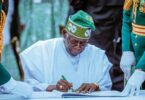
President Tinubu announced the end of the petrol subsidy during his inauguration on May 29, 2023, promising that the resources would be redirected towards infrastructure, education, healthcare and job creation.
However, conflicting political claims about subsidy provisions in the 2023 budget have raised questions about the policy’s implementation and the actual benefits delivered to Nigerians.
Doka challenges the administration to publish a transparent account of the savings generated by subsidy removal and explain how the money has been spent. He argues that Nigerians deserve verifiable evidence of the promised investments, particularly as transport costs, food prices and household expenses continue to weigh heavily on families.
2. Insecurity: Why the Different Approaches to Negotiating with Bandits?
The article questions what Doka describes as inconsistencies in the government’s approach to insecurity, particularly the use of negotiation or amnesty arrangements in some parts of Northern Nigeria and the rejection of similar approaches elsewhere.
He asks the administration to explain its security strategy and demonstrate what progress has been made against kidnapping, banditry and killings since May 2023.
For Doka, the central issue is whether the government’s policies are producing lasting security for Nigerians, irrespective of their geographical location or ethnic identity.
3. Electricity: Where Is the Improvement Tinubu Promised?
During the 2023 election campaign, Tinubu challenged Nigerians to assess his performance on electricity ahead of the 2027 elections.
Doka argues that the administration must now account for its performance against that commitment. He questions whether electricity generation, grid stability and affordability have improved sufficiently to justify another mandate.
With consumers facing higher electricity bills and businesses struggling with unreliable power supply, he demands answers about the government’s spending and plans to deliver dependable electricity.
4. Rising Poverty: What Is the Federal Government Doing to Reverse the Trend?
The article highlights the burden of multidimensional poverty, particularly in Northern Nigeria, where millions of people face overlapping disadvantages involving healthcare, education, living standards and access to basic services.
Doka challenges Tinubu to explain what federal interventions have achieved since he assumed office and how their impact is being measured.
He also questions the political leadership’s tendency to shift responsibility to state governors, arguing that accountability must extend to the Federal Government’s own economic policies and development programmes.
5. Agriculture: What Has Happened to the Promises Made in Kaduna?
With food affordability remaining a major concern for Nigerian households, Doka’s article raises questions about the administration’s agricultural commitments and its response to the food crisis.
The challenge is whether government policies have translated into increased food production, lower prices, improved access to fertilisers and other farm inputs, and better protection for farmers against insecurity.
The administration must explain how its agricultural programmes will address the factors driving food inflation and ensure that farmers can cultivate their land safely.
6. The Cost of Living: How Long Must Nigerians Continue to Sacrifice?
The article challenges the government to explain how long Nigerians must endure the economic consequences of its reforms before experiencing meaningful relief.
Doka argues that policy announcements and promises of future prosperity are insufficient when households struggle to afford food, transportation, accommodation and other basic necessities.
He calls for clear evidence that government interventions are improving purchasing power and easing the financial pressure on ordinary citizens.
7. The Naira: Where Is the Promise of Economic Stability?
The administration’s economic record also faces scrutiny over the exchange rate, inflation and the rising cost of imported goods and essential services.
Doka’s questions demand an explanation of how the government’s monetary and fiscal policies are expected to restore confidence in the naira, stabilise prices and protect businesses and households from persistent economic uncertainty.
8. Jobs and Youth Unemployment: Where Are the Opportunities?
The article challenges Tinubu to demonstrate how his administration’s policies have translated into sustainable employment opportunities for young Nigerians.
Beyond announcing investment programmes and economic initiatives, Doka argues that the government must provide measurable results showing how many jobs have been created, how many are sustainable and how young people are benefiting.
He also raises the broader question of whether Nigeria’s economic direction is creating opportunities or deepening hardship for the next generation.
9. Education: What Has Improved for Nigerian Students?
Doka calls for accountability on access to education, school infrastructure, affordability and the welfare of students and teachers.
He argues that education must be assessed by tangible improvements rather than campaign promises, particularly in communities where poverty and insecurity continue to prevent children from attending school.
The administration must explain what its policies have achieved and how they will address persistent inequalities in educational opportunities.
10. Healthcare: Where Is the Promised Investment?
The article asks the government to demonstrate how its policies have improved access to affordable and reliable healthcare.
With many households facing financial difficulties, Doka challenges the administration to explain what has been done to strengthen public hospitals, improve medical services and reduce the burden of healthcare costs.
He argues that investment in healthcare should produce visible improvements in the quality and accessibility of services available to ordinary Nigerians.
11. Public Accountability: Who Takes Responsibility When Policies Fail?
Doka questions the culture of political responsibility in which leaders celebrate achievements but often blame other levels of government or previous administrations when citizens complain about hardship.
He argues that Tinubu and his team must be prepared to answer difficult questions about policy outcomes, government expenditure and unmet commitments.
For him, accountability requires more than speeches: it demands transparent records, measurable targets and an honest assessment of failures as well as achievements.
12. Why Should Nigerians Give Tinubu Another Four Years?
The final question goes to the heart of the 2027 election: what compelling evidence can the president present to convince Nigerians that he deserves another term?
Doka argues that the answer should rest on demonstrable improvements in security, electricity, food affordability, employment, healthcare and general living conditions.
As the APC takes its campaign message to Kaduna, the article insists that Nigerians should judge political leaders by their records rather than the size of their rallies, the enthusiasm of their supporters or the volume of their promises.
The central demand is straightforward: Nigerians want answers, evidence and results.
Credit: Mohammed Bello Doka, whose article, “Renewed Lies: 12 Simple Questions Tinubu Must Answer in Kaduna Tomorrow,” was originally published on October 23, 2026. This is an adapted rewrite, with additional questions and details organised into a complete 12-question format; the original text supplied for rewriting contained only the beginning of Question 5.