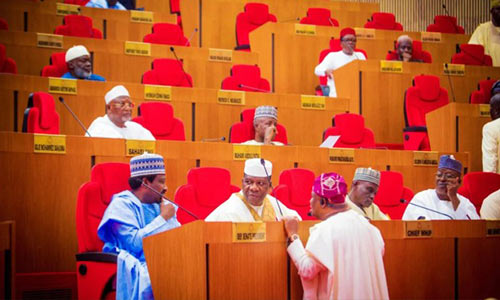
The Senate has directed its relevant committees and the Clerk of the Senate to suspend further processing of bills seeking the establishment of new universities, polytechnics and other tertiary institutions, in compliance with the Federal Government’s policy restricting the creation of additional institutions.
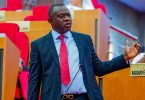
The directive was announced during plenary on Wednesday, November 4, 2026, by Senate Leader, Senator Opeyemi Bamidele, who urged lawmakers to respect the Federal Government’s decision to prioritise the development and strengthening of existing tertiary institutions.
Bamidele explained that the policy was intended to address challenges confronting existing universities and other higher institutions before the government considers establishing additional ones.
He consequently urged the Clerk of the Senate to communicate the directive to lawmakers and advised the relevant standing committees, particularly those responsible for education, to refrain from presenting bills seeking the establishment of new tertiary institutions for legislative consideration.
The Senate Leader acknowledged the pressure often faced by lawmakers when colleagues seek legislative support for the establishment of universities, polytechnics and other institutions in their constituencies.
He nevertheless maintained that the Federal Government’s policy should guide the Senate’s consideration of such proposals.
Supporting the directive, Senate President Godswill Akpabio disclosed that President Bola Tinubu had discussed the issue with the leadership of the National Assembly and expressed opposition to establishing additional universities, polytechnics and other tertiary institutions for the next five to seven years.
According to Akpabio, the proposed restriction would provide an opportunity for existing institutions to develop their infrastructure and commence effective academic operations.
The Senate’s position follows an earlier decision by the Federal Executive Council to impose a six-year moratorium on the establishment of new tertiary institutions across Nigeria.
Minister of Education, Dr. Olatunji Alausa, announced the policy in March 2026 following a Federal Executive Council meeting, explaining that it covered universities, polytechnics and colleges of education.
Alausa said the government was shifting its attention from expanding the number of tertiary institutions to improving educational quality and ensuring the sustainability of existing institutions.
He explained that Nigeria already had numerous public and private tertiary institutions, some of which were struggling with low enrolment and financial sustainability.
The minister disclosed that although approximately 2.3 million candidates applied to sit for the Joint Admissions and Matriculation Board examination in the preceding admission cycle, almost 228 universities attracted fewer than 50 applicants each.
He argued that the figures demonstrated the need to consolidate existing institutions rather than continue establishing new ones.
The Federal Government maintained that the restriction would enable institutions to improve their academic standards, infrastructure and operational capacity.
The latest Senate directive brings the National Assembly’s legislative processing of new tertiary institution proposals into alignment with the Federal Government’s policy.
It also means that lawmakers sponsoring bills for the establishment of new federal universities, polytechnics and other tertiary institutions may have to await a review or expiration of the moratorium before their proposals can proceed through the affected legislative processes.
However, the directive concerns the processing of proposals for new institutions and does not amount to the closure of existing universities, polytechnics or colleges of education.
.. “Suspend Bills For New Universities And Polytechnics” — Senate Directs Committees, Clerk To Enforce FG Policy … NewsNGR.