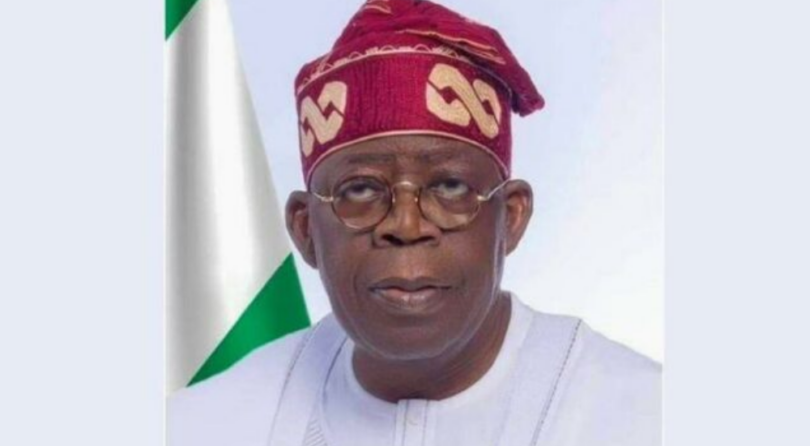
The Lagos State chapter of the All Progressives Congress has described the cost-of-living crisis as a global phenomenon, arguing that President Bola Tinubu should not be held exclusively responsible for the economic hardship facing Nigerians.
The party’s spokesman, Seye Oladejo, stated this in a statement on Friday, saying the rising cost of living had affected countries across different continents, political systems and levels of economic development.
“The attempt by sections of the Nigerian opposition to pin the global cost-of-living crisis exclusively on President Bola Ahmed Tinubu is a classic case of political opportunism, intellectual dishonesty and the desperate search for a convenient scapegoat. It is akin to clutching at straws in the hope that public frustration can be converted into electoral capital,” he said.
“The cost-of-living crisis is a global phenomenon that has affected countries across different continents, political systems and levels of economic development.”
Oladejo acknowledged that rising prices had placed considerable pressure on Nigerian households, with families struggling to meet their needs and businesses battling increased operating costs.
However, he argued that the situation should not be assessed without considering international economic pressures, including the aftershocks of the COVID-19 pandemic, global supply chain disruptions, geopolitical conflicts, volatile energy markets, climate-related pressures on agricultural production and elevated borrowing costs.
According to him, households in Europe, North America, Asia and other parts of Africa have also experienced rising food prices, energy costs, housing expenses and transportation charges.
He said protests and public discontent over the cost of living in different countries demonstrated the global nature of the crisis rather than proving that one president was solely responsible for the economic difficulties confronting citizens.
Oladejo accused sections of the Nigerian opposition of exploiting public frustration for political advantage by attributing the country’s economic challenges exclusively to Tinubu’s policies.
He maintained that while the President should be held accountable for his administration’s decisions, a fair assessment must also consider Nigeria’s longstanding structural weaknesses and the effects of external economic shocks.
The Lagos APC spokesman acknowledged that the removal of petrol subsidies and changes to foreign exchange arrangements had contributed to short-term economic adjustment costs, particularly through higher transportation and production expenses and their impact on food prices.
However, he said the reforms were intended to address longstanding economic distortions and place public finances and the economy on a more sustainable footing.
Oladejo added that the existence of a global cost-of-living crisis did not absolve the Federal Government of responsibility for its domestic policy choices or eliminate the need to address the hardship experienced by ordinary Nigerians.
He also rejected claims that the Federal Government had done nothing to cushion the effects of the economic situation, citing cash-transfer programmes for vulnerable households, student loans through the Nigerian Education Loan Fund, support for micro, small and medium-sized enterprises, and agricultural interventions.
He said government interventions should be assessed based on their effectiveness in reaching intended beneficiaries and improving their welfare.
The APC spokesman, however, called for stronger social-protection measures, improved transparency and better monitoring to ensure that assistance reached vulnerable Nigerians promptly.
He urged the Federal Government to strengthen domestic food production, improve transportation and logistics, support local manufacturing, reduce import dependence and create productive employment to ease the cost-of-living burden.
Oladejo also called on state and local governments to intensify efforts in food distribution, public transportation and local economic development.
He challenged opposition parties to present credible economic alternatives, explain how their proposals would be funded and demonstrate how they would protect vulnerable citizens while maintaining fiscal sustainability.
According to him, political competition should encourage better ideas and stronger accountability rather than turn economic hardship into an instrument of partisan conflict.
Oladejo maintained that Nigerians deserved an honest assessment of the crisis, arguing that blaming Tinubu exclusively for global economic pressures would overlook the international factors and structural weaknesses contributing to the country’s difficulties.
He said the government should continue reviewing its policies, improving social protection and communicating clearly with citizens about the costs and expected benefits of its economic reforms.