
• Insists call for accountability not partisan
•Raises concerns over poverty, insecurity, economic hardship
Sunday Ehigiator in Lagos and Sunday Aborisade in Abuja
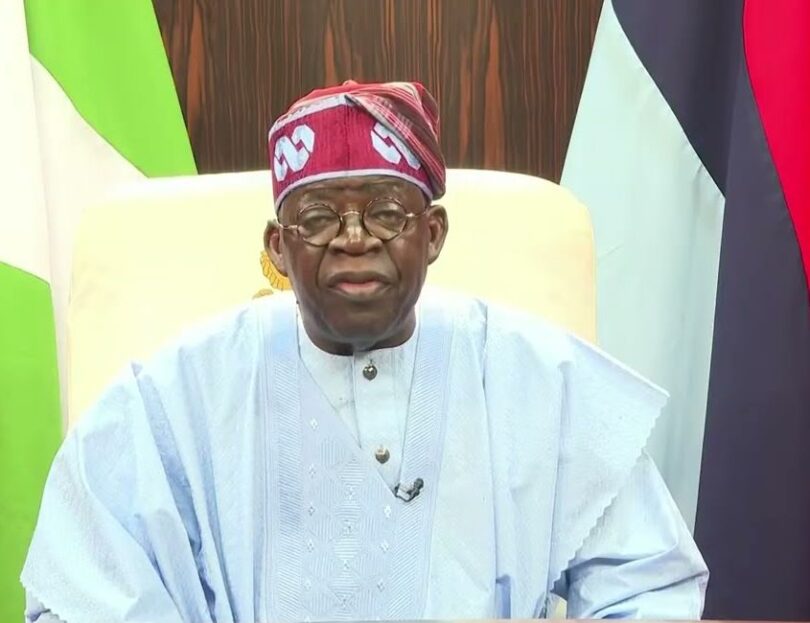
The Peter Obi Media Office has defended the recent call by the presidential candidate of the Nigeria Democratic Congress (NDC), Peter Obi, for President Bola Tinubu to consider resigning over what it described as worsening socio-economic conditions in the country.
It insisted that the intervention was aimed at promoting accountability in leadership rather than scoring political points.
In a statement issued on Tuesday by its spokesman, Idris Zekeri Jnr, the media office said Obi’s remarks were inspired by the principle of responsible leadership and should not be viewed through a partisan lens.
The statement came in response to reactions from the Presidency, which had challenged Obi’s position and argued that comparisons with political developments in other countries were inappropriate.
According to the media office, Obi’s comments were intended to stimulate a national conversation on governance and accountability.
Part of the statement read: “Our principal’s comments were not about whether Nigeria operates a presidential or parliamentary system. They were about a fundamental principle of leadership: accepting responsibility for outcomes.”
The media office argued that resignation by elected leaders is not exclusive to parliamentary democracies, citing examples from several presidential systems where leaders stepped down under various circumstances.
“It is important to correct the misleading suggestion that resignation is alien to presidential systems. Comparative democratic practice shows otherwise,” it stated.
The statement further noted that Tinubu, while in opposition, had previously criticised the administration of former President Goodluck Jonathan and called for greater accountability from government officials.
Addressing the current state of the economy, the Obi Media Office expressed concern over rising poverty levels, unemployment, inflationary pressures and the challenges facing businesses across the country.
It maintained that many Nigerians were struggling with economic hardship despite government claims of improvements in macroeconomic indicators.
“The true measure of economic success is not the performance of the stock market but the well-being of the average citizen,” the statement said.
The media office also raised concerns about insecurity, arguing that many communities across the country continued to face threats from criminal activities, including kidnapping and banditry.
“Leadership requires honesty about challenges, not selective celebration of isolated victories,” it added.
Responding to criticisms of Obi’s record as former governor of Anambra State, the media office said his administration focused on improving education, healthcare, infrastructure and fiscal discipline, adding that those achievements remain a matter of public record.
The statement further urged the Federal Government to focus on addressing pressing national challenges rather than engaging critics.
“Rather than expend energy attacking critics, the government should focus on addressing the urgent issues confronting Nigerians: unity, insecurity, unemployment, poverty, power shortages, declining productivity, and the erosion of public confidence in governance,” it stated.
The media office also expressed reservations about the conduct of recent elections, saying electoral processes should strengthen public confidence in democratic institutions. It called for reforms that would enhance transparency and credibility in future elections.
While reiterating Obi’s position, the statement stressed that the call for accountability was motivated by concern for the country’s future.
“Nigeria deserves leadership that listens more than it lectures, serves more than it celebrates itself, and accepts responsibility rather than constantly searching for excuses,” the statement said.
The Obi media office concluded by urging political leaders to prioritise policies that would improve living standards, strengthen security and restore public confidence in governance.