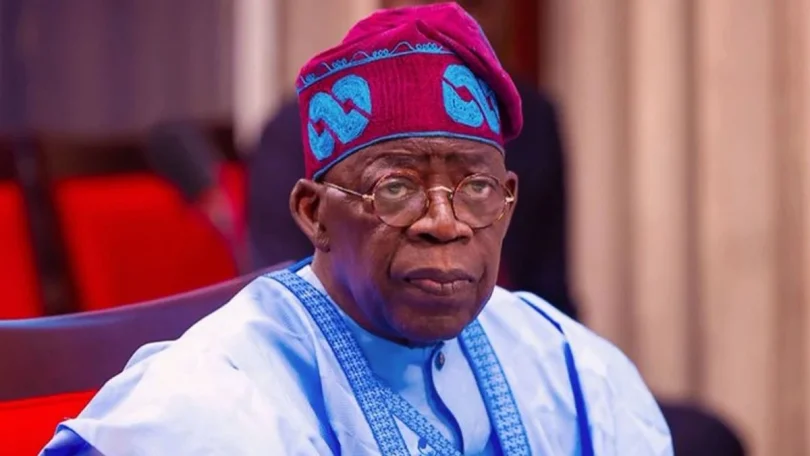
President Bola Ahmed Tinubu has reportedly declined a meeting with a special envoy sent by South African President Cyril Ramaphosa following fresh concerns over xenophobic attacks against Nigerians living in South Africa.
The South African delegation, led by the country’s Minister of International Relations and Cooperation, Ronald Lamola, arrived in Abuja on July 24 with a diplomatic message intended for the Nigerian leader.
However, sources familiar with the development said the meeting did not take place as Nigerian authorities expressed dissatisfaction over unresolved issues surrounding the safety of Nigerians in South Africa.
The latest diplomatic tension comes in the wake of the death of a Nigerian citizen, Chika Ibe, who was reportedly taken from his residence in Bellville, Cape Town, and allegedly tortured to death by members of the South African Police Service.
The incident has sparked outrage among Nigerians both at home and abroad, with renewed calls for stronger action against repeated attacks targeting Nigerians and other African nationals in South Africa.
Sources within the Presidency disclosed that the Federal Government insisted South Africa must first fulfil previous commitments made to Nigeria before further high-level engagements can proceed.
One of the key issues is the Memorandum of Understanding on the Early Warning Mechanism signed by both countries in October 2025.
The agreement was designed to improve cooperation on the protection of citizens, tackle xenophobic violence, and address consular matters affecting nationals of both countries.
Officials familiar with the discussions said Nigeria wants South Africa to formally ratify and present the signed agreement before any fresh diplomatic assurances can be considered.
The Nigerian government is also said to believe that the agreement could strengthen efforts to secure justice and possible compensation for victims of previous xenophobic attacks.
Relations between both countries have faced repeated strain over xenophobic attacks dating back several years.
While both governments have often pledged cooperation and mutual respect, incidents involving attacks on foreign nationals have continued to generate tensions.
At the recent ECOWAS Summit held in Sierra Leone, Vice President Kashim Shettima, who represented President Tinubu, strongly condemned the attacks.
Speaking before regional leaders, Shettima conveyed Nigeria’s position on the matter and called for a united African response against xenophobia.
“Nigeria condemns, in the strongest terms, the recent attacks on its citizens and other Africans in the Republic of South Africa,” he said.
The Vice President stressed that African countries must collectively reject all forms of intolerance directed at fellow Africans.
The Federal Government has maintained that the protection of Nigerians abroad remains a priority and that every attack on its citizens must be properly investigated and addressed through diplomatic and legal channels.
Moreover, the death of Chika Ibe has further heightened pressure on authorities to demand accountability and stronger guarantees for Nigerians residing in South Africa.
In a related development, President Tinubu used the platform of the 69th Ordinary Session of the ECOWAS Authority of Heads of State and Government in Freetown, Sierra Leone on July, to push for a united African response to the wave of xenophobic attacks in South Africa.
Represented by Vice President Kashim Shettima, the Nigerian leader urged West African nations to collectively condemn the attacks and ensure the matter is elevated to the African Union for wider continental action.
Tinubu stated that Africa must not remain silent while citizens of member states face violence in another African country.
“This would send a clear message that this type of intolerance is totally unacceptable under any guise,” he said.
The President also reminded South Africa of the historic support it received from African countries during the struggle against apartheid.
“South Africa should be reminded that the freedom it currently enjoys is the result of the sacrifices and liberation efforts of African countries, including Nigeria.”
During the summit, Nigeria revealed that it had already evacuated more than 1,490 citizens from South Africa following the latest wave of attacks and was prepared to take additional steps to protect Nigerians if necessary.
Shettima also recalled Nigeria’s contributions to South Africa’s liberation struggle, saying generations of Nigerians made sacrifices in support of freedom movements in Southern Africa.