Follow our live coverage here.
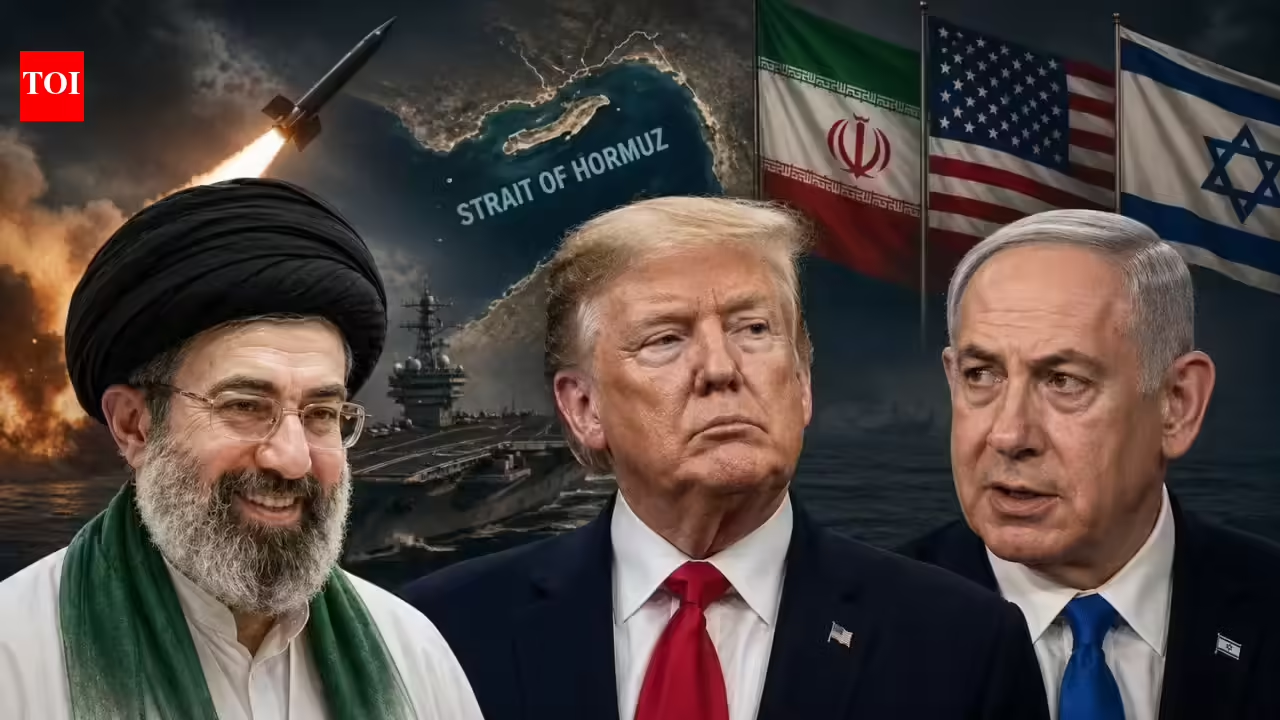
PHILADELPHIA – In a June 14 Truth Social Post bordering on the grandiose, President Donald Trump announced an interim deal with Iran as a warm, summer day – his 80th birthday – began to draw to a close on the East Coast.
“Ships of the world, start your engines. Let the oil flow,” Trump declared.
He went on to claim that the leaders of the “region had for the first time found a President who can help them achieve real peace.”
Except, of course, peace remains a shimmering mirage in the Arabian desert at this juncture when parties to the deal do not trust each other and cannot imagine a deal that will safeguard their vital interests.
Details of the deal are yet to be revealed, but Iran cannot easily give up its nuclear ambition, the ultimate deterrent against regime change. And there is no smooth path that lets the US grant Iran what it expects – billions of dollars of frozen assets and an end to sanctions.
A breach would surprise no one.
And let’s not forget that oil was flowing down the Strait of Hormuz, some 20 million barrels of it per day, before Trump put an end to it by launching the war on Feb 28.
But there will be one quick gain for Trump: he will be able to say that because the strait will reopen, global trade will resume. Whether or not that will mainly benefit the “region and the world” or gas prices in the US, where inflation is spiking, the results of the mid-terms will tell.
There is almost no doubt that oil prices will fall. Brent futures were already down four per cent within an hour after the news of the deal broke. Lower transportation costs that follow can help ease the price of other goods and services.
But, it is Iran, not Trump which will benefit much more from the opening of the Strait. Iran can well use the interim period to drain its overflowing oil storage facilities and save its oil wells from damage. The US naval blockade has halted exports, causing storage tanks to fill rapidly and raising the possibility of shutting down oil production which is difficult and expensive to restart.
And it is the Iranian tankers which will feel supremely confident sailing down the Hormuz. In the initial phases, at least, other shipping companies will likely remain averse to risking their billion dollar vessels and their cargo. They will likely have to continue to pay elevated prices for maritime insurance.
What can Trump justifiably say he got out of the four-month-long war that cost the lives of 13 American servicemen?
The Pentagon has raised a bill of US$29 billion so far and a Brown University tracker said Americans have paid US$58 billion extra for fuel since the war began.
The war on Iran also depleted US munitions, to the strategic advantage of geopolitical rival China. And it brought reputational damage to the superpower for dropping bombs on civilian installations, a girls’ schools and ancient heritage sites.
There are no easy answers for the American President.
What’s more, the sudden war subjected American allies in the Middle East to unprecedented bombardment. A war that is clearly not ending with a conclusive Iranian defeat leaves the Arabs at the mercy of a mercurial Tehran regime. It can only deepen their desire to hedge away from their security bets on America. Advantage China, again?
Israel, which jointly fought the war, can claim a better outcome. It has gained some territory in Lebanon in the course of the war, but Trump can hardly sell that as a US war goal.
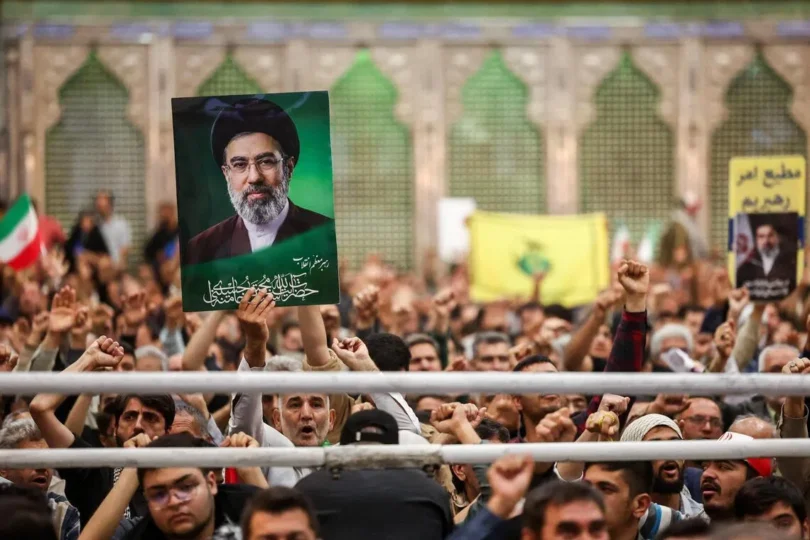
Trump can, sort of, tout regime change: Ayatollah Ali Khamenei was killed on the very first day of strikes on Feb 28. But in the place of a clerical leadership there is now a more brutal regime, effectively a military junta controlled by the most powerful organisation in the country, the Islamic Revolutionary Guards Corps (IRGC). Would Americans view that as a win?
The relief promised by the deal is also overstated because Trump is at the weak end of the bargain. He wants to end the conflict as fast as possible whereas a prolonged conflict was likely in Iran’s interest. A conflict serves to ensure the regime’s survival by rallying people to protect the country. It also furthers Iran’s longtime quest of regional supremacy.
Though the ceasefire deal promises an end to immediate hostilities, there is, thus, no guarantee that the peace will last. It remains advantageous for the IRGC to project itself as being in a defensive war against what it has framed as ‘West’s war on Islam’.
For Trump, political gains are limited. Ending a war that he could not adequately justify and which remains immensely unpopular is unlikely to endear him to voters.
Trump’s Maga voters have proven their loyalty to him by supporting candidates he has backed in the ongoing primaries leading up the November 3, midterms. But his Republican Party is likely to pay the price for the growing disillusionment among white blue-collar voters who feel Trump broke his promise to no longer involve the US in “foreign wars”.
And it is this blue collar constituency that is hardest hit from the 4 per cent inflation that is rippling through the economy.