The Iran war has cost the travel company Tui €40m (£34.7m) so far, including repatriating almost 12,000 holidaymakers and staff, and forced it to cut its profit forecast for this year.
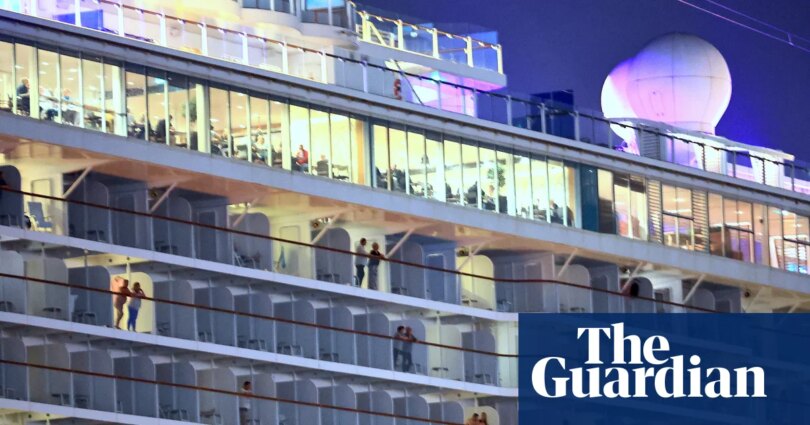
Europe’s biggest holiday operator said that it had taken the hit in March owing to the impact of the conflict in the Middle East, as it was forced to bring home 5,000 guests from two cruise ships anchored in ports in Abu Dhabi and Doha.
A further 5,000 European holidaymakers were also repatriated from destinations in the region, with Tui saying that its operations in Turkey, Cyprus and Egypt were particularly badly affected.
In addition, the company returned 1,500 crew members from the ships, which have since been able to leave the Gulf and will commence their summer season itineraries in the Mediterranean from the middle of next month.
As a result of the disruption to the business, the company said it is reducing its profit forecast for this financial year from €1.41bn to between €1.1bn and €1.4bn.
Tui said that while it had seen a “partial” shift in customer demand from the eastern Mediterranean to destinations in the western Med, booking revenue and hotel occupancy were down 7% year on year this summer.
Last month, Tui said that demand was increasing for holidays in Spain, Portugal, Greece and Cape Verde this summer as customers opted for “familiar, easy‑to‑reach locations”.
The company said that its guidance on profits assumes “no material escalation in geopolitical tensions, and that fuel supplies can be maintained”, adding: “The ongoing conflict in the Middle East and the uncertainty surrounding its duration continue to limit near-term visibility and drive consumer caution.”
Tui said it has hedged 83% of its summer jet fuel requirements against the rocketing price of oil, and 62% of its winter season, and hedged more than 80% of the energy cost requirements for its cruise business for its full financial year.
On Wednesday the UK’s Office for National Statistics said that rising air fares as a result of an increase in fuel prices because of the war were a factor in a 4.7% increase in overall transport prices in the year to March, the fastest annual rate since December 2022.
On Tuesday, airlines lobbied the UK government to relax environmental and noise rules, as well as modify passenger rights and cut taxes on flying, as they prepare for higher costs and a possible shortage of jet fuel because of the conflict in the Middle East.
Lufthansa has already moved to cancel 20,000 flights between May and October to save fuel.
The German airline said it had cut about 120 daily flights from Monday and would drop unprofitable routes from Munich and Frankfurt until the end of the summer season, which runs to mid-October.
Last week the head of the International Energy Agency said flight cancellations would come soon if oil supplies from the Middle East were not restored, adding that Europe had only six weeks of jet fuel left.