
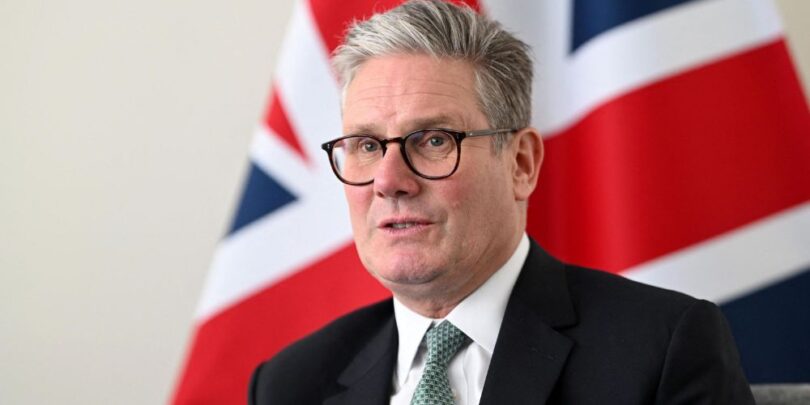
UK Prime Minister Sir Keir Starmer has announced plans to ban children under the age of 16 from using social media platforms, saying the move will help give young people back their childhood and protect them from online harm.
Speaking in Downing Street, Sir Keir said social media is leaving children unhappy, enabling bullies to harass and abuse them, and potentially harming their mental health by exposing them to dangerous content designed to capture and hold their attention.
He described the platforms as addictive, with features such as infinite scrolling keeping users engaged for hours at the expense of homework, reading, outdoor play and adequate sleep.
The Prime Minister described the decision as a landmark moment for the country and a major step towards safeguarding the future of Britain’s children. He said the government was not prepared to compromise on the safety and wellbeing of young people and argued that the current system had failed them.
The ban would apply to major platforms including TikTok, Instagram, Snapchat, Facebook, X and YouTube, while messaging services such as WhatsApp and Signal would remain unaffected.
Under the proposals, social media companies would be prevented from offering services to under-16s, with additional restrictions on potentially harmful features, including live streaming and allowing children to communicate with strangers.
The government also plans to examine overnight curfews and measures to limit infinite scrolling for users under the age of 18.
Legislation is expected to be introduced in Parliament before Christmas, with the measures due to come into force in spring 2027.
Sir Keir acknowledged that the ban was not without costs and that social media had provided benefits for some young people. However, he insisted that a full prohibition was the right course of action after listening to parents and reviewing available evidence.
The policy, which the government says is supported by nine in ten parents, follows similar measures introduced in countries including Australia and is intended to encourage children to spend less time online and more time playing, learning and developing offline.
The announcement has prompted immediate debate, with supporters welcoming what they see as decisive action to protect children’s mental health, while critics have raised concerns about enforcement in an era when many young people are capable of circumventing restrictions through tools such as VPNs.