
The United Nations has warned that weapons looted during the 2011 Libyan Uprising continue to fuel insecurity across Nigeria and the wider Sahel region….
The United Nations has warned that weapons looted during the 2011 Libyan Uprising continue to fuel insecurity across Nigeria and the wider Sahel region.
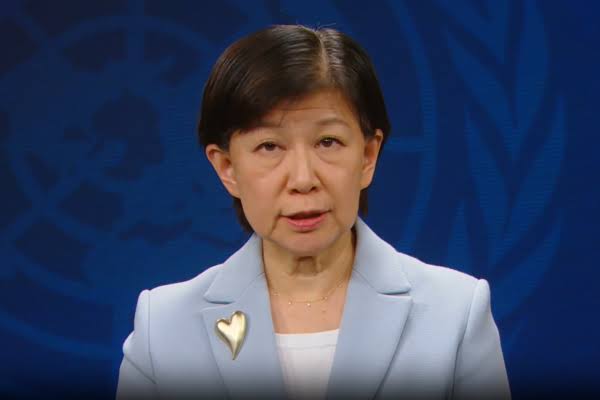
Speaking at a high-level meeting at the United Nations headquarters in New York, the UN Under-Secretary-General for Disarmament Affairs, Izumi Nakamitsu, said arms taken from Libyan stockpiles during the conflict that ended the rule of Muammar Gaddafi have spread across borders and ended up in the hands of extremist groups.
She noted that several of the weapons have been traced to countries including Nigeria, Niger and Burkina Faso, where they have contributed to rising violence and instability.
Nakamitsu warned that the end of armed conflict does not stop the circulation of weapons, stressing that such arms often remain outside government control and continue to pose long-term threats to civilians and national security.
According to her, some of the looted weapons were later recovered from terrorist and extremist groups, highlighting how arms from one conflict can destabilise neighbouring countries years after hostilities have ended.
She further explained that illicit weapons frequently move across porous borders, are hidden, or trafficked through criminal networks, making them difficult to trace and control.
The UN official also raised concerns over emerging threats such as so-called “ghost guns” and 3D-printed firearms, which are complicating global efforts to curb illegal arms proliferation.
Nakamitsu stressed that the spread of small arms and light weapons not only fuels terrorism and organised crime but also undermines peacebuilding, human rights, and development in fragile regions.
The UN called for stronger regional cooperation, improved border security, and tighter control of arms stockpiles to address the growing threat.
The warning comes as countries across the Sahel continue to grapple with insurgency, banditry, and organised crime, much of which is sustained by the availability of illegal firearms.