
National

Universal Insurance: Shareholders Warn NAICOM Against Liquidation

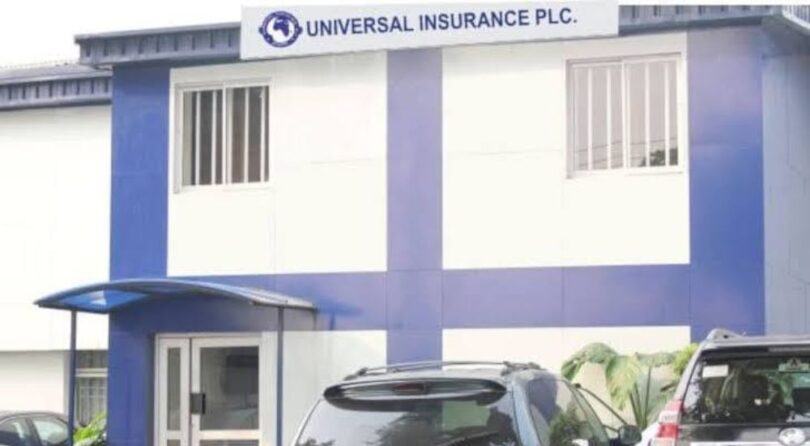
Shareholders of Universal Insurance Plc have accused the National Insurance Commission (NAICOM) of injustice over its decision to revoke the company’s operating licence, warning that the action could expose investors to significant losses and threaten workers’ jobs.

The shareholders, who spoke exclusively with THE WHISTLER, expressed divergent concerns over the regulatory action, with some questioning whether the commission exhausted all available options to support the insurer’s recapitalisation before withdrawing its licence.

The development followed the conclusion of the insurance sector’s recapitalisation exercise, under which operators were required to meet new minimum capital requirements within the regulatory timeline or pursue alternative options, including mergers and acquisitions.

Chairman of the Progressive Shareholders Association of Nigeria, Boniface Okezie, faulted NAICOM’s decision, arguing that the commission should have provided Universal Insurance and other affected companies with adequate opportunity to complete their recapitalisation process.

Okezie questioned whether Universal Insurance had raised the required capital and submitted the funds and relevant documentation to NAICOM for verification before the regulator took the decision to revoke its licence.

He also sought clarification on whether the company’s submission was rejected because of the amount raised, the timing of the submission or failure to meet a specific regulatory requirement.

According to him, NAICOM should explain at what stage Universal Insurance’s recapitalisation proposal was rejected and whether the company was given an opportunity to correct any deficiencies in its submission.

He said the questions were particularly important because insurance companies had been operating in the same broader financial market as banks, while insurance stocks had historically faced weaker investor appetite on the capital market.

Okezie argued that regulators should therefore have adopted a more flexible approach towards insurers struggling to meet the recapitalisation requirements, particularly where such companies had demonstrated an intention and capacity to raise the required capital.

He said shareholders were already supporting Universal Insurance in its legal challenge to the regulatory decision, describing the licence revocation as an action that could have serious consequences for investors and other stakeholders.

“We want to know at what point they were turned back with their documents on their capital raise. Was it a question of late submission or was the amount raised considered inadequate?” Okezie queried.

He maintained that NAICOM should have considered the company’s recapitalisation efforts before resorting to the withdrawal of its operating licence.

Meanwhile, President of the New Dimension Shareholders Association, Patrick Ajudua, acknowledged that insurance operators were required to comply with the recapitalisation requirements but warned that ordinary shareholders could ultimately bear the greatest consequences when a company loses its licence.

Ajudua said the recapitalisation exercise was designed to strengthen the insurance industry by ensuring that operators either met the prescribed minimum capital requirements or explored consolidation options such as mergers.

He explained that companies that failed to meet the requirements or merge with other operators could have their licences withdrawn by the regulator.

According to him, Universal Insurance failed to meet the minimum capital requirement and did not merge with another operator, leaving NAICOM with the regulatory option of withdrawing its licence.

However, he noted that the consequences of such action could be severe for ordinary shareholders, particularly where a receiver is appointed and the company eventually proceeds towards liquidation.

“The implications are that ordinary shareholders of the company will be the ultimate losers once the licence is withdrawn and a receiver is appointed,” he said.

Ajudua stressed that investors in quoted companies ultimately bear the risks associated with their investments, particularly when a company is unable to satisfy regulatory requirements.

Also speaking, National Coordinator of the Independent Shareholders Association of Nigeria (ISAN), Moses Igburude, acknowledged that NAICOM had set a deadline for insurance companies to complete the recapitalisation exercise.

However, he questioned whether liquidation was the most appropriate response to companies that failed to meet the deadline.

Igburude said some operators could have been affected by circumstances beyond their immediate control and urged NAICOM to consider alternative measures that would preserve the companies, protect jobs and minimise losses to investors.

Specifically, he called on the regulator to reconsider its position on Universal Insurance, noting that the company was not known to have had significant operational problems before the recapitalisation exercise.

He argued that rather than proceeding directly with liquidation, NAICOM could give the company additional time under strict regulatory supervision to complete its recapitalisation.

Igburude proposed the appointment of a regulatory-led board or intervention mechanism that would oversee the company’s efforts to raise the required capital and restore its financial position.

He said such an approach could protect the interests of employees, shareholders, policyholders and other stakeholders while still achieving the regulator’s objective of strengthening the insurance sector.

“The question is whether liquidation is the best option to address failure to meet the deadline. Specifically, where a company like Universal Insurance was not having any known issues before the recapitalisation, I believe there should be other options,” he said.

Igburude appealed to NAICOM to consider extending the timeline or placing the company under enhanced regulatory supervision rather than immediately pursuing liquidation.

He recalled that insurance companies facing more serious financial and operational difficulties had, in the past, received regulatory interventions aimed at protecting policyholders and preserving value.

The shareholders’ positions highlight the growing debate over how regulators should balance strict compliance with recapitalisation requirements against the need to protect investors, employees, policyholders and the wider financial system.

While NAICOM’s recapitalisation programme is aimed at improving the financial capacity and resilience of insurance operators, the shareholders argued that enforcement measures should also take into account the potential economic and social consequences of licence revocation.

For Universal Insurance shareholders, the immediate concern is the fate of their investments, while employees and other stakeholders face uncertainty over the future of the company following the withdrawal of its operating licence.

The shareholders are therefore urging the regulator to review the decision and explore a structured rescue or recapitalisation framework that could allow the company to remain operational while meeting the commission’s capital requirements.


National

Universal Insurance: Shareholders Warn NAICOM Against Liquidation

Shareholders of Universal Insurance Plc have accused the National Insurance Commission (NAICOM) of injustice over its decision to revoke the company’s operating licence, warning that the action could expose investors to significant losses and threaten workers’ jobs.

The shareholders, who spoke exclusively with THE WHISTLER, expressed divergent concerns over the regulatory action, with some questioning whether the commission exhausted all available options to support the insurer’s recapitalisation before withdrawing its licence.

The development followed the conclusion of the insurance sector’s recapitalisation exercise, under which operators were required to meet new minimum capital requirements within the regulatory timeline or pursue alternative options, including mergers and acquisitions.

Chairman of the Progressive Shareholders Association of Nigeria, Boniface Okezie, faulted NAICOM’s decision, arguing that the commission should have provided Universal Insurance and other affected companies with adequate opportunity to complete their recapitalisation process.

Okezie questioned whether Universal Insurance had raised the required capital and submitted the funds and relevant documentation to NAICOM for verification before the regulator took the decision to revoke its licence.

He also sought clarification on whether the company’s submission was rejected because of the amount raised, the timing of the submission or failure to meet a specific regulatory requirement.

According to him, NAICOM should explain at what stage Universal Insurance’s recapitalisation proposal was rejected and whether the company was given an opportunity to correct any deficiencies in its submission.

He said the questions were particularly important because insurance companies had been operating in the same broader financial market as banks, while insurance stocks had historically faced weaker investor appetite on the capital market.

Okezie argued that regulators should therefore have adopted a more flexible approach towards insurers struggling to meet the recapitalisation requirements, particularly where such companies had demonstrated an intention and capacity to raise the required capital.

He said shareholders were already supporting Universal Insurance in its legal challenge to the regulatory decision, describing the licence revocation as an action that could have serious consequences for investors and other stakeholders.

“We want to know at what point they were turned back with their documents on their capital raise. Was it a question of late submission or was the amount raised considered inadequate?” Okezie queried.

He maintained that NAICOM should have considered the company’s recapitalisation efforts before resorting to the withdrawal of its operating licence.

Meanwhile, President of the New Dimension Shareholders Association, Patrick Ajudua, acknowledged that insurance operators were required to comply with the recapitalisation requirements but warned that ordinary shareholders could ultimately bear the greatest consequences when a company loses its licence.

Ajudua said the recapitalisation exercise was designed to strengthen the insurance industry by ensuring that operators either met the prescribed minimum capital requirements or explored consolidation options such as mergers.

He explained that companies that failed to meet the requirements or merge with other operators could have their licences withdrawn by the regulator.

According to him, Universal Insurance failed to meet the minimum capital requirement and did not merge with another operator, leaving NAICOM with the regulatory option of withdrawing its licence.

However, he noted that the consequences of such action could be severe for ordinary shareholders, particularly where a receiver is appointed and the company eventually proceeds towards liquidation.

“The implications are that ordinary shareholders of the company will be the ultimate losers once the licence is withdrawn and a receiver is appointed,” he said.

Ajudua stressed that investors in quoted companies ultimately bear the risks associated with their investments, particularly when a company is unable to satisfy regulatory requirements.

Also speaking, National Coordinator of the Independent Shareholders Association of Nigeria (ISAN), Moses Igburude, acknowledged that NAICOM had set a deadline for insurance companies to complete the recapitalisation exercise.

However, he questioned whether liquidation was the most appropriate response to companies that failed to meet the deadline.

Igburude said some operators could have been affected by circumstances beyond their immediate control and urged NAICOM to consider alternative measures that would preserve the companies, protect jobs and minimise losses to investors.

Specifically, he called on the regulator to reconsider its position on Universal Insurance, noting that the company was not known to have had significant operational problems before the recapitalisation exercise.

He argued that rather than proceeding directly with liquidation, NAICOM could give the company additional time under strict regulatory supervision to complete its recapitalisation.

Igburude proposed the appointment of a regulatory-led board or intervention mechanism that would oversee the company’s efforts to raise the required capital and restore its financial position.

He said such an approach could protect the interests of employees, shareholders, policyholders and other stakeholders while still achieving the regulator’s objective of strengthening the insurance sector.

“The question is whether liquidation is the best option to address failure to meet the deadline. Specifically, where a company like Universal Insurance was not having any known issues before the recapitalisation, I believe there should be other options,” he said.

Igburude appealed to NAICOM to consider extending the timeline or placing the company under enhanced regulatory supervision rather than immediately pursuing liquidation.

He recalled that insurance companies facing more serious financial and operational difficulties had, in the past, received regulatory interventions aimed at protecting policyholders and preserving value.

The shareholders’ positions highlight the growing debate over how regulators should balance strict compliance with recapitalisation requirements against the need to protect investors, employees, policyholders and the wider financial system.

While NAICOM’s recapitalisation programme is aimed at improving the financial capacity and resilience of insurance operators, the shareholders argued that enforcement measures should also take into account the potential economic and social consequences of licence revocation.

For Universal Insurance shareholders, the immediate concern is the fate of their investments, while employees and other stakeholders face uncertainty over the future of the company following the withdrawal of its operating licence.

The shareholders are therefore urging the regulator to review the decision and explore a structured rescue or recapitalisation framework that could allow the company to remain operational while meeting the commission’s capital requirements.

National

Universal Insurance: Shareholders Warn NAICOM Against Liquidation

Shareholders of Universal Insurance Plc have accused the National Insurance Commission (NAICOM) of injustice over its decision to revoke the company’s operating licence, warning that the action could expose investors to significant losses and threaten workers’ jobs.

The shareholders, who spoke exclusively with THE WHISTLER, expressed divergent concerns over the regulatory action, with some questioning whether the commission exhausted all available options to support the insurer’s recapitalisation before withdrawing its licence.

The development followed the conclusion of the insurance sector’s recapitalisation exercise, under which operators were required to meet new minimum capital requirements within the regulatory timeline or pursue alternative options, including mergers and acquisitions.

Chairman of the Progressive Shareholders Association of Nigeria, Boniface Okezie, faulted NAICOM’s decision, arguing that the commission should have provided Universal Insurance and other affected companies with adequate opportunity to complete their recapitalisation process.

Okezie questioned whether Universal Insurance had raised the required capital and submitted the funds and relevant documentation to NAICOM for verification before the regulator took the decision to revoke its licence.

He also sought clarification on whether the company’s submission was rejected because of the amount raised, the timing of the submission or failure to meet a specific regulatory requirement.

According to him, NAICOM should explain at what stage Universal Insurance’s recapitalisation proposal was rejected and whether the company was given an opportunity to correct any deficiencies in its submission.

He said the questions were particularly important because insurance companies had been operating in the same broader financial market as banks, while insurance stocks had historically faced weaker investor appetite on the capital market.

Okezie argued that regulators should therefore have adopted a more flexible approach towards insurers struggling to meet the recapitalisation requirements, particularly where such companies had demonstrated an intention and capacity to raise the required capital.

He said shareholders were already supporting Universal Insurance in its legal challenge to the regulatory decision, describing the licence revocation as an action that could have serious consequences for investors and other stakeholders.

“We want to know at what point they were turned back with their documents on their capital raise. Was it a question of late submission or was the amount raised considered inadequate?” Okezie queried.

He maintained that NAICOM should have considered the company’s recapitalisation efforts before resorting to the withdrawal of its operating licence.

Meanwhile, President of the New Dimension Shareholders Association, Patrick Ajudua, acknowledged that insurance operators were required to comply with the recapitalisation requirements but warned that ordinary shareholders could ultimately bear the greatest consequences when a company loses its licence.

Ajudua said the recapitalisation exercise was designed to strengthen the insurance industry by ensuring that operators either met the prescribed minimum capital requirements or explored consolidation options such as mergers.

He explained that companies that failed to meet the requirements or merge with other operators could have their licences withdrawn by the regulator.

According to him, Universal Insurance failed to meet the minimum capital requirement and did not merge with another operator, leaving NAICOM with the regulatory option of withdrawing its licence.

However, he noted that the consequences of such action could be severe for ordinary shareholders, particularly where a receiver is appointed and the company eventually proceeds towards liquidation.

“The implications are that ordinary shareholders of the company will be the ultimate losers once the licence is withdrawn and a receiver is appointed,” he said.

Ajudua stressed that investors in quoted companies ultimately bear the risks associated with their investments, particularly when a company is unable to satisfy regulatory requirements.

Also speaking, National Coordinator of the Independent Shareholders Association of Nigeria (ISAN), Moses Igburude, acknowledged that NAICOM had set a deadline for insurance companies to complete the recapitalisation exercise.

However, he questioned whether liquidation was the most appropriate response to companies that failed to meet the deadline.

Igburude said some operators could have been affected by circumstances beyond their immediate control and urged NAICOM to consider alternative measures that would preserve the companies, protect jobs and minimise losses to investors.

Specifically, he called on the regulator to reconsider its position on Universal Insurance, noting that the company was not known to have had significant operational problems before the recapitalisation exercise.

He argued that rather than proceeding directly with liquidation, NAICOM could give the company additional time under strict regulatory supervision to complete its recapitalisation.

Igburude proposed the appointment of a regulatory-led board or intervention mechanism that would oversee the company’s efforts to raise the required capital and restore its financial position.

He said such an approach could protect the interests of employees, shareholders, policyholders and other stakeholders while still achieving the regulator’s objective of strengthening the insurance sector.

“The question is whether liquidation is the best option to address failure to meet the deadline. Specifically, where a company like Universal Insurance was not having any known issues before the recapitalisation, I believe there should be other options,” he said.

Igburude appealed to NAICOM to consider extending the timeline or placing the company under enhanced regulatory supervision rather than immediately pursuing liquidation.

He recalled that insurance companies facing more serious financial and operational difficulties had, in the past, received regulatory interventions aimed at protecting policyholders and preserving value.

The shareholders’ positions highlight the growing debate over how regulators should balance strict compliance with recapitalisation requirements against the need to protect investors, employees, policyholders and the wider financial system.

While NAICOM’s recapitalisation programme is aimed at improving the financial capacity and resilience of insurance operators, the shareholders argued that enforcement measures should also take into account the potential economic and social consequences of licence revocation.

For Universal Insurance shareholders, the immediate concern is the fate of their investments, while employees and other stakeholders face uncertainty over the future of the company following the withdrawal of its operating licence.

The shareholders are therefore urging the regulator to review the decision and explore a structured rescue or recapitalisation framework that could allow the company to remain operational while meeting the commission’s capital requirements.