The US president has threatened to resume bombings at much higher “intensity” unless Tehran agrees to a deal
The US military has fired on and disabled an Iranian-flagged oil tanker in the Gulf of Oman after President Donald Trump threatened to resume the bombing campaign unless Tehran agrees to end the war on Washington’s terms.
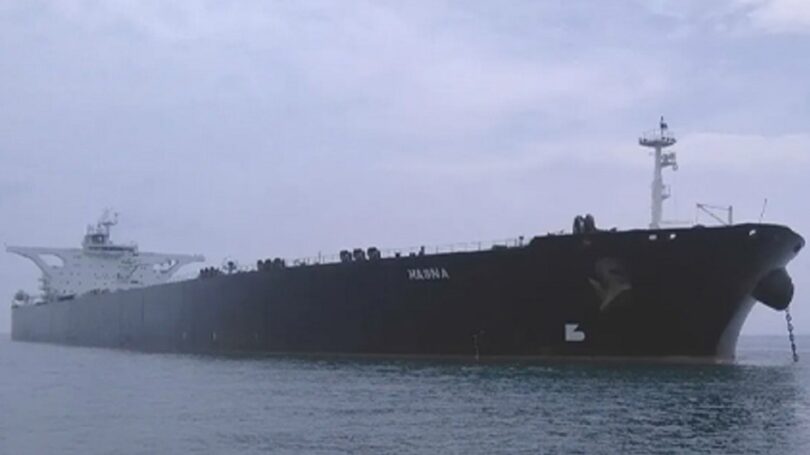
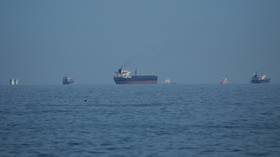
US Central Command said the unladen tanker, identified as the M/T Hasna, was attempting to sail toward an Iranian port on Wednesday in violation of Washington’s naval blockade, which remains in force despite the president’s abrupt decision a day earlier to pause Project Freedom, a military operation to move ships through the Strait of Hormuz.
US forces issued multiple warnings before an F/A-18 Super Hornet launched from the USS Abraham Lincoln fired several 20mm cannon rounds at the vessel’s rudder, preventing it from continuing toward Iran, according to CENTCOM.
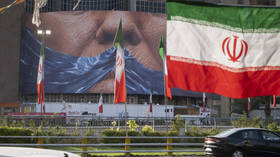
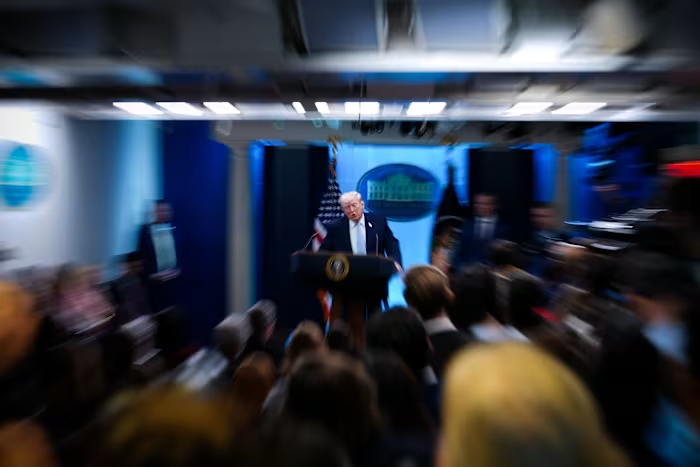
The strike came shortly after Trump issued a fresh ultimatum to Tehran, warning that the “already legendary Epic Fury” would end only if Iran accepted the terms he claimed had already been agreed.
“If they don’t agree, the bombing starts, and it will be, sadly, at a much higher level and intensity than it was before,” he wrote on Truth Social.
Trump remained optimistic, telling PBS later on Wednesday that there was “a very good chance” the war could end before his planned trip to China. He reiterated, however, that if it did not, the US would “go back to bombing the hell out of them.”
READ MORE:
Mapping Hormuz: RT’s Rick Sanchez on strategic edge (VIDEO)
Washington and Tehran are allegedly closing in on a one-page, 14-point memorandum of understanding that would end the war and open a 30-day period for more detailed negotiations, according to Axios sources. The proposed framework would reportedly include an Iranian moratorium on uranium enrichment, enhanced inspections, a gradual lifting of US sanctions, the release of frozen Iranian funds, and the phased easing of restrictions on shipping.
An RT source in Pakistan said progress in the peace process remains “somewhat slow,” with several unresolved issues still under discussion.
Tehran has yet to formally respond to the US proposal. Iranian Foreign Ministry spokesman Esmail Baghaei said the text was still under review, warning that negotiations require “good faith” and must not amount to “dictation,” “deception,” “extortion,” or “coercion.”
Iranian military officials also struck a defiant tone before reports of the tanker incident emerged. Brigadier General Abolfazl Shekarchi, spokesman for the Iranian Armed Forces, warned that if Washington used talks as a cover for further aggression, Iran would respond decisively and deliver a “humiliating defeat.”
You can share this story on social media: