Abu Dhabi [UAE], June 24 (ANI): US Secretary of State Marco Rubio on Tuesday (local time) said that lasting peace and stability in West Asia cannot be achieved as long as Iranian-backed proxy groups continue launching attacks and engaging in militant activities across the region, while stressing that discussions over a Lebanon ceasefire are separate from ongoing negotiations with Iran.
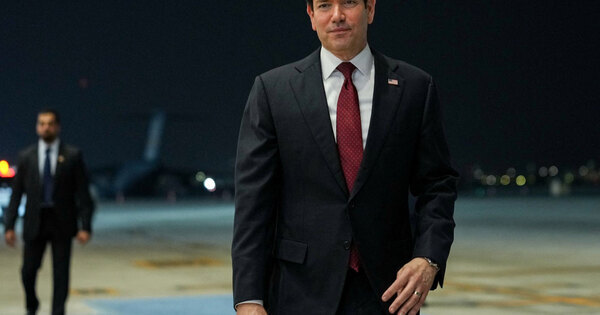
Speaking to reporters upon his arrival in Abu Dhabi as part of his visit to the Persian Gulf region from June 23 to June 25, Rubio said Iranian proxies operating from Iraq continue to threaten regional security through missile and drone attacks.
‘You can’t have the end of hostilities and conflict in the region as long as Iranian proxies are launching missiles and drones from Iraq and are participating in terrorism,’ Rubio said.
Addressing questions about Lebanon, Rubio underscored that any ceasefire arrangement involving Lebanon would be negotiated independently of talks concerning Iran.
‘Well, that process is separate. It’s separate because Lebanon is a sovereign country. It has a government. And when it comes to Lebanon and what’s happening inside of Lebanon, we’re going to negotiate a deal directly with the Lebanese Government,’ the US Secretary of State said.
He added that he had recently spoken with Lebanese President Joseph Aoun, alongside US Vice President JD Vance, and that US officials were currently engaged on the ground in Lebanon.
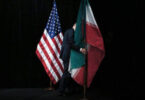
Rubio’s visit to the West Asia region comes days after the conclusion of the initial rounds of technical talks between Iran and the US that took place in Switzerland, as part of the 14-point memorandum of understanding (MoU) aimed at ending the hostilities in the region.
He has scheduled stops in the United Arab Emirates, Kuwait and Bahrain.
The trip is aimed at consulting regional allies as Washington advances discussions with Iran and addresses broader security concerns, including the strategic Strait of Hormuz.
‘We’re really here to hear from them more than we are to talk,’ Rubio told reporters, emphasising that Washington wants to understand the economic and security concerns of its Gulf partners.
‘We want to hear their thoughts, especially in the aftermath of this weekend in Switzerland, and make sure that their views are taken into account in every decision that we make, because they’re our partners,’ he said.
During the visit, Rubio is also expected to meet representatives of the Gulf Cooperation Council (GCC).
The Secretary of State said regional allies support efforts aimed at reducing tensions but noted that significant challenges remain.
‘All of them are on board for peace. Obviously, it all depends on the details of that peace as we work through,’ Rubio said.
‘It’s a work in progress. I think good groundwork was laid over the last 72 hours, but a lot of work remains to be done,’ he added.
Rubio also dismissed suggestions that Washington would seek financial contributions from regional partners for a proposed USD 300 billion reconstruction fund for Iran, saying such discussions were still ‘far down the road’.
On the broader issue of Iran’s future role in the region, Rubio said Tehran’s leadership faces a choice between continuing its revolutionary agenda and pursuing a more constructive path.
‘If Iran’s leadership makes a decision that they want to be a country instead of a revolutionary movement that exports terror, they’re going to have an opportunity to do incredible things,’ he said.
Rubio added that progress on regional security matters, including the activities of Iranian-backed groups, would be essential to any future diplomatic breakthroughs.
‘That is something that is going to have to depend on progress made on a host of other security issues that have to be confronted in the days to come,’ he said. (ANI)