KINGSLEY EBERE
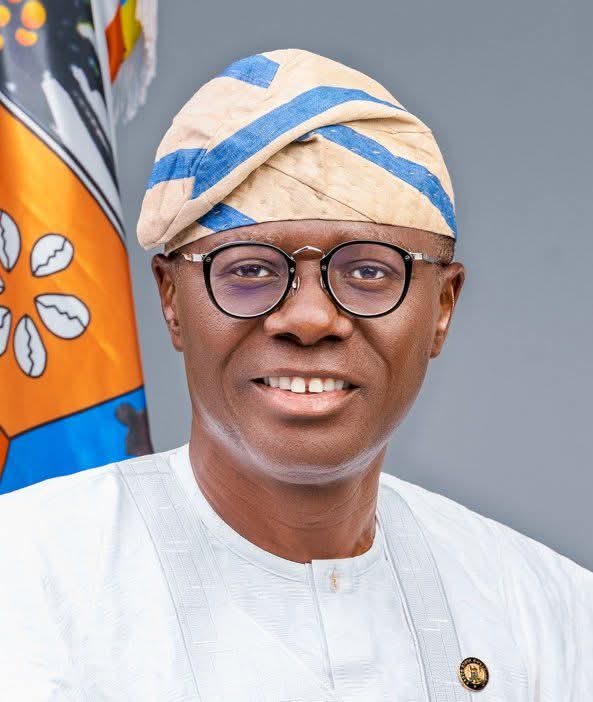
Almost 10 months after the devastating fire that gutted the Great Nigeria House on Lagos Island, victims and families of the deceased are crying out to Governor Babajide Sanwo-Olu to come to their aid.
They say life has become unbearable since the inferno, and unlike victims of similar incidents in Lagos who were compensated, nothing has been done for them.
The tragedy unfolded on Christmas Eve, December 24, 2025, at approximately 4:40 PM to 5:00 PM in the heart of Balogun Market on Lagos Island.
The fire started on the 4th or 5th floor of the 25-storey high-rise. Eyewitnesses said an improperly managed generator may have triggered the blaze, but the situation worsened because of what was stored inside. Over the years, the building had been converted into densely packed warehouses of fabrics and clothing materials.
Fueled by the textiles, flames tore through the building within minutes. Burning bundles of clothes cascaded onto Martins Street, sparking secondary fires on the ground. The inferno spread to adjoining plazas and some structures, damaging multiple buildings around the area, including parts of a nearby mosque and the Radio Nigeria building.
Emergency teams from LASEMA, Lagos State Fire Service, and Federal Fire Service arrived at the scene. But their work was made difficult by narrow market alleys, lack of immediate water supply, and traders who were desperately trying to salvage goods from their shops. Because of the intensity of the fire and the nature of the materials inside, pockets of fire burned for nearly 24 hours before they could be fully put out.
For residents and business owners in Balogun, that night marked the beginning of months of hardship. The market, which is one of the busiest commercial hubs in West Africa, was thrown into darkness and confusion. Many people lost not just goods, but years of investment.
Initial reports hoped that no lives were lost. The reality was worse.
After days of search and rescue operations, the confirmed death toll reached 12, with several others sustaining critical burns and smoke inhalation. Families are still grieving the loss of loved ones who were either trapped inside or caught in the chaos outside.
Economically, the damage was massive. Importers, retailers, and online vendors who had stocked up for post-Christmas sales lost everything in a matter of hours. For many, the goods in Great Nigeria House represented capital borrowed from banks, cooperatives, and family members. With their shops and warehouses gone, they were wiped out financially overnight.
Market leaders say more than 500 traders were directly affected. Children have been pulled out of school, rents have gone unpaid, and debts have piled up. The ripple effect has spread to suppliers, transporters, and other businesses that depend on the Balogun trading ecosystem.
Within days of the fire, Governor Babajide Sanwo-Olu visited Martins Street for an on-the-spot assessment. LASBCA engineers later declared the building structurally compromised beyond repair and ordered its total demolition. A 100-metre hazard radius was cordoned off to prevent further risk to traders and pedestrians.
But victims say that was the last time they saw any real government presence.
“It is almost one year now and we have not received any help. Our children are out of school, we have no capital to start again, and families of those who died are suffering,” one victim who lost his shop and brother in the fire said.
“We saw what happened in Dosunmu. Those victims were compensated by government. Why have they forgotten us? We are begging Governor Sanwo-Olu to remember us,” another trader added.
The victims say they are not asking for too much. They are asking for relief funds to restart their businesses, support for families of the 12 people who died, and a clear plan for rehabilitation so they can return to work with dignity.
As at press time, there has been no official statement from the Lagos State Government on compensation or rehabilitation for the Great Nigeria House victims.
Stakeholders in Balogun Market say the silence is deepening frustration and hardship in the community. They argue that quick intervention will not only bring relief but also restore confidence that government stands with citizens in times of disaster.
For now, survivors continue to pick up the pieces, selling small items on the streets and appealing to well-meaning Nigerians for help. But their main plea remains to the State Government.
“We are dying slowly,” one woman who lost her store said. “Please, Governor Sanwo-Olu, do not forget us.”