US President Donald Trump has rejected Iran’s latest proposal to end the war, leaving negotiations stalled and fears rising over the potential of war resuming.
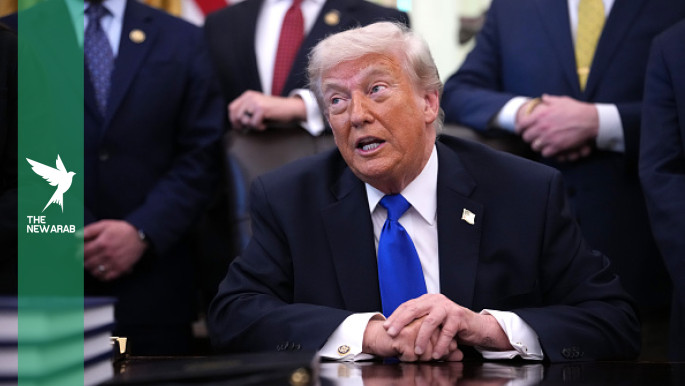
Earlier this week, Trump responded to the proposal from Tehran, saying: “At this moment I’m not satisfied with what they’re offering” and that “they’re asking for things that I can’t agree to”.
The proposal, delivered via mediators, outlines a phased approach to ending the conflict, reopening the Strait of Hormuz and lifting the US naval blockade, while postponing negotiations over Iran’s nuclear programme to a later stage.
The plan comes amid a prolonged stand-off that has disrupted global energy flows and heightened fears of renewed fighting.
What is Iran offering?
Iran is seeking to end the war in exchange for guarantees that the United States and Israel will not launch further attacks, officials familiar with the proposal said.
Under the framework, Tehran would reopen the Strait of Hormuz, a critical chokepoint for global oil and gas, while Washington would lift its blockade of Iranian ports, which has halted billions of dollars in oil exports.
Negotiations over Iran’s nuclear programme would be deferred to a later phase, in what Tehran has presented as a step towards compromise aimed at breaking the diplomatic deadlock.
Reporting by The Wall Street Journal suggests the proposal shows signs of flexibility, with Iran moving closer to the US position by agreeing to discuss the strait and security guarantees first, before tackling more contentious nuclear issues.
Why did the US reject it?
Washington has consistently insisted that any deal to end the war must include upfront guarantees that Iran will not develop a nuclear weapon, including limits on uranium enrichment.
This is complicated by Trump’s close relationship with Israel, which has falsely claimed Tehran is merely weeks away from creating a nuclear weapon.
By contrast, Iran’s proposal rightfully dismisses this as propaganda and seeks to delay nuclear discussions, prioritising de-escalation measures first. Trump has given no detailed breakdown of his objections but has repeatedly signalled dissatisfaction with the terms on offer.
“They want to make a deal, I’m not satisfied with it, so we’ll see what happens,” he said.
What does Iran want in return?
Tehran is seeking an end to the war, the lifting of the US naval blockade and a pathway to sanctions relief.
It is also pushing for recognition of its right to enrich uranium for peaceful purposes, which it is entitled to do as a signatory of the Nuclear Non-Proliferation Treaty (NPT) even if restrictions or temporary suspensions are negotiated at a later stage.
Iran had previously demanded that the United States lift its blockade before talks could begin, but the new proposal appears to soften that position by allowing for parallel negotiations.
Where do talks stand now?
Despite the rejection, diplomatic channels remain open, with messages continuing to be exchanged through mediators including Pakistan, Qatar, Egypt and Turkey.
Iran has indicated it is prepared to hold talks in Pakistan if Washington engages with the proposal, though no meeting has yet been confirmed.
The US, meanwhile, has maintained its blockade and continues to warn against any payments to Iran for safe passage through Hormuz, threatening sanctions against companies that comply.
What happens next?
With core disagreements unresolved, the risk of escalation remains high.
A senior Iranian military commander has warned that “a renewed conflict between Iran and the United States is likely”, reflecting scepticism in Tehran that Washington is serious about diplomacy.
Trump has also framed the situation in stark terms, suggesting the US faces a binary choice between military action and a negotiated settlement.
“Do we want to go and just blast the hell out of them and finish them forever – or do we want to try and make a deal?,” he said.
As the stand-off continues, the Strait of Hormuz remains at the centre of the crisis, with both sides using economic and military pressure while leaving open the possibility of further talks – or renewed conflict.