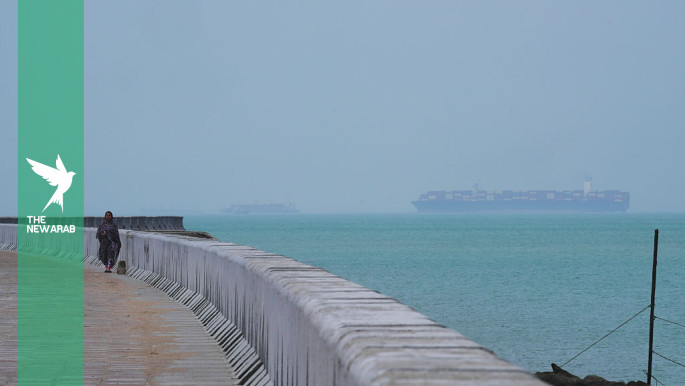
Hormuz sovereignty recognition is among five conditions Iran has set before entering any new round of negotiations with the United States. [Getty]
Iran has set five conditions for the United States to meet before entering any new round of negotiations, insisting they represent the “minimum guarantees for building trust”, according to Iranian media reports on Tuesday.
Tehran had rejected a 14-point US proposal that Iranian authorities viewed as an attempt to “impose surrender” and continue a policy of coercion and threats, Iran’s Fars News Agency reported, citing an unnamed informed source.
The source said Iran would not participate in a second round of talks with Washington unless five confidence-building conditions were met. These include ending the war “on all fronts”, particularly in Lebanon, lifting sanctions on Iran, releasing frozen Iranian assets, compensating Tehran for war-related losses, and recognising Iran’s sovereignty over the Strait of Hormuz.
According to the report, Tehran also informed Pakistani mediators that the continuation of a naval blockade in the Arabian Sea and Gulf of Oman, despite a ceasefire agreement, reinforced doubts over whether Washington could be trusted in negotiations.
Fars said the conditions were formulated only as a framework for establishing the “minimum level of trust” needed to resume talks, adding that Iran believed no new negotiations could begin without practical implementation of the demands.
The agency said the five conditions were drafted in response to the US proposal, which Tehran described as “completely one-sided” and aimed solely at securing Washington’s interests and achieving through diplomacy what it had failed to achieve militarily.
Separately, Iran’s Deputy Foreign Minister for Legal and International Affairs, Kazem Gharibabadi, said on Tuesday that “real peace cannot be built through humiliation, threats and extracting concessions by force”.
He said Washington rejected Iran’s response because it was “not a surrender document”, adding that this demonstrated the US goal was not peace but “imposing political will through pressure and threats”.
Gharibabadi argued that any party directly involved in “war, blockade, sanctions and threats of force” could not claim to seek peace.
He said Iran’s response to the US proposal was based on several principles, including a permanent end to the war, preventing its recurrence, compensation for damages, lifting the blockade, cancelling what he described as “illegal” sanctions, and respecting Iran’s rights.
Speaking to Iranian state television, Gharibabadi said these demands were “not maximalist demands, but the minimum requirements for any serious, sustainable arrangement consistent with the UN Charter” to end a crisis that began through what he called the “illegal use of force”.
He added that “there can be no talk of a ceasefire while the blockade continues, no talk of diplomacy while sanctions are tightened, and no talk of regional stability while political and military support is provided to a regime that is the source of aggression and instability”, referring to Israel.
Gharibabadi said such an approach was “not negotiation, but a continuation of coercive policy in diplomatic language”.