
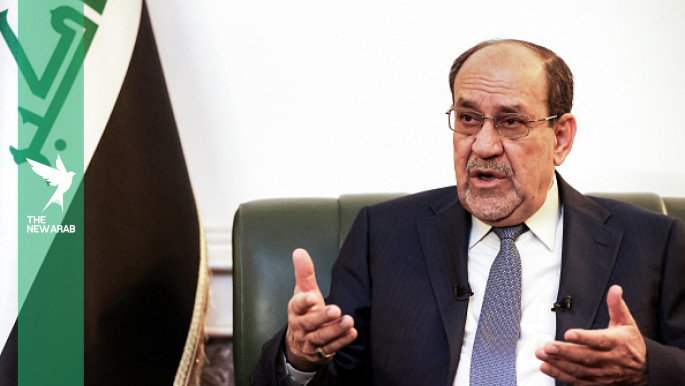
Iraq’s ruling Shiite alliance has failed to agree on a new prime minister, as US pressure undermines frontrunner Nouri al-Maliki and forces leaders to consider alternative candidates. [Getty]
Iraq’s main Shiite alliance failed on Friday to agree on a new candidate for prime minister after US pressure stymied the chances of frontrunner Nouri al-Maliki.
Leaders of the Coordination Framework — a ruling coalition of Shiite groups with varying ties to Iran who had initially nominated Maliki — have been locked in intense discussions to settle the question of the premiership, but to no avail.
They have met three times this week.
After Friday’s meeting, the INA state news agency reported that they would meet again on Saturday to “decide on the candidate for the prime minister”.
In January, US President Donald Trump threatened to stop supporting Iraq if Maliki — a two-time former premier with close ties to Iran — returned to the post.
In Iraq, a nomination by the largest Shiite bloc effectively brings a candidate to power through presidential appointment, but Trump’s threats reshuffled the cards.
Although the Coordination Framework has not yet officially withdrawn its backing for Maliki, its leaders are discussing other potential candidates.
They include incumbent premier Mohammed Shia al-Sudani, intelligence chief Hamid al-Shatri, and Bassem al-Badri who heads a committee that bars members of Saddam Hussein’s Baath party from public office.
Iraq has long walked a tightrope between the competing influences of its allies, neighbouring Iran and its archfoe the United States.