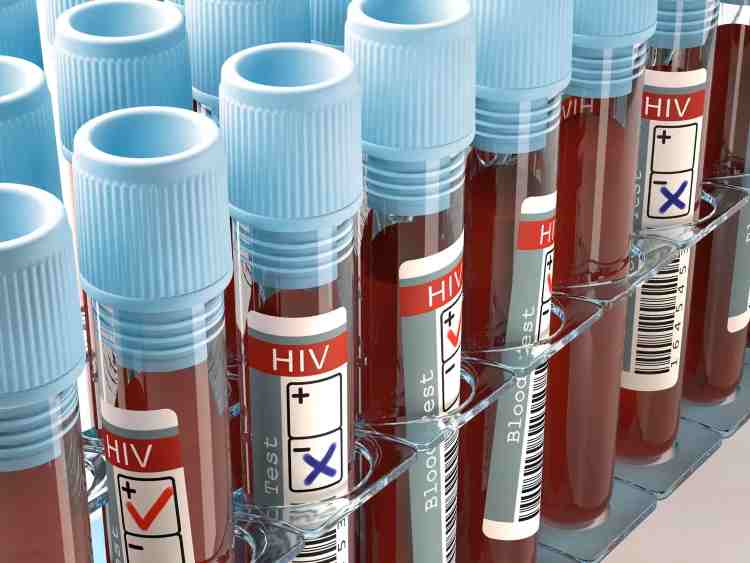
Nigeria recorded 102,025 new HIV infections across its 36 states and the Federal Capital Territory (FCT) in 2025, with Lagos State accounting for the highest number of new cases, according to the State of the Health of the Nation Report 2025 released by the federal ministry of health and social welfare.
The report showed that Lagos recorded 10,430 new infections, representing the highest figure nationwide. Rivers State followed with 6,287 cases, while Kano State recorded 6,106 new infections.
Other states with high numbers of new HIV cases include Akwa Ibom (5,413), Taraba (4,854), Benue (4,804), Anambra (4,468), Kaduna (3,659), Adamawa (2,989) and the Federal Capital Territory (2,764).
States such as Cross River (2,595), Sokoto (2,592), Abia (2,546), Imo (2,537), Delta (2,469), Borno (2,311), Ogun (2,107), Plateau (2,084), Niger (2,020) and Ebonyi (2,015) also recorded more than 2,000 new infections during the year.
At the lower end of the scale, Ekiti recorded 462 new infections, followed by Bayelsa (982), Gombe (1,083), Osun (1,093), Kwara (1,371), Enugu (1,429), Yobe (1,483), Katsina (1,541) and Kebbi (1,572).
The report noted that despite significant progress in expanding access to treatment and reducing AIDS-related deaths, HIV remains a major public health concern in Nigeria.
The Federal Government, through the National Agency for the Control of AIDS (NACA), has continued to strengthen the country’s HIV response by expanding free testing services, increasing access to antiretroviral treatment, scaling up prevention of mother-to-child transmission programmes, promoting pre-exposure prophylaxis for high-risk groups, and improving disease surveillance.
Nigeria is also implementing the global 95-95-95 targets aimed at ensuring that 95 per cent of people living with HIV know their status, 95 per cent of those diagnosed receive sustained treatment, and 95 per cent of those on treatment achieve viral suppression.
However, health experts have warned that declining international donor support could threaten decades of progress if domestic funding for HIV programmes is not increased.
The Joint United Nations Programme on HIV/AIDS (UNAIDS) has also stressed the need for sustained investments in prevention, testing and treatment, warning that disruptions to HIV services could trigger a rise in new infections, particularly in countries with high disease burdens such as Nigeria.
The latest figures underscore that while progress has been made in tackling the epidemic, new HIV infections remain widespread, with Lagos, Rivers and Kano accounting for a significant share of the country’s new cases in 2025.