
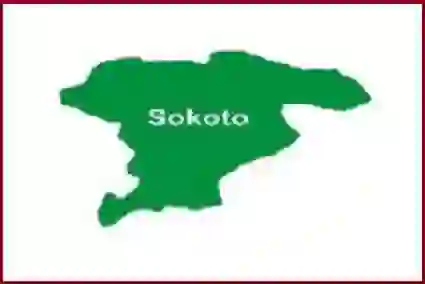
At least 34 people have died following a meningitis outbreak in Sokoto State, with 254 reported infections across nine local government areas, sparking concern among health officials and residents.
The State Commissioner for Health, Faruk Abubakar-Wurno, disclosed the figures on Wednesday, noting that the disease has spread rapidly across several communities, prompting urgent intervention by the government.
He revealed that many of the fatalities occurred at home before medical help could be sought, as some residents initially attributed the illness to spiritual causes or unexplained circumstances. This misconception, he said, delayed timely treatment and contributed to the rising death toll.
To contain the outbreak, isolation centres have been established in Dogondaji and Kurawa communities within Tambuwal and Sabon Birni local government areas. According to the commissioner, all 201 patients treated at government health facilities have since recovered and been discharged.
The affected local government areas include Dange-Shuni (26 cases), Kebbe (16), Shagari (51), Tambuwal (34), Wamakko (60), Sabon Birni (63), Bodinga (2), Kware (2), and Gada (1).
Out of 24 samples sent for laboratory testing, eight were confirmed as meningitis, while 16 returned negative, confirming the presence of the disease in affected communities.
Abubakar-Wurno explained that meningitis is a serious infection that affects the protective membranes covering the brain and spinal cord. It spreads through respiratory droplets, particularly in crowded or poorly ventilated environments.
He added that the government has intensified public awareness campaigns, advising residents to ensure proper ventilation in their homes or sleep outdoors where possible, especially during extreme heat conditions that can worsen the spread.
Children between the ages of one and 15 have been identified as the most vulnerable group. Factors such as overcrowding and the dry, dusty winds common in northern Nigeria have further increased transmission risks.
The state government has also strengthened disease surveillance, expanded laboratory testing, and ensured the availability of essential medications to manage and control the outbreak.
Health experts note that meningitis remains a recurring public health challenge in Nigeria, particularly during the dry season, with northern states bearing the highest burden, according to data from the World Health Organization.