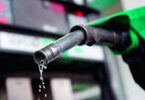

The Nigerian National Petroleum Company Limited (NNPC) has said its petrol discount initiative does not establish a uniform national pump price or alter the market-based pricing framework governing petroleum products in Nigeria.
The company said the discount, which will run until October 31, 2026, was designed to provide temporary relief to Nigerians amid rising global crude oil prices linked to the ongoing conflict in the Middle East.
NNPC, in a statement issued on Friday by its Chief Corporate Communications Officer, Andy Odeh, stressed that the initiative should not be interpreted as a restoration of petrol subsidy.
The clarification comes amid growing concerns over rising petrol prices and their impact on transportation costs, household expenditure, business operations and the general cost of living.
The Federal Government had recently announced measures to cushion the effects of higher fuel prices on Nigerians, with the Minister of Finance and Coordinating Minister of the Economy, Taiwo Oyedele, outlining the government’s position on October 8, 2026.
NNPC said it remained committed to supporting the government’s efforts to ease the economic pressure on households and businesses while maintaining commercially responsible operations.
According to the company, the discount was initially introduced on October 1 to commemorate Nigeria’s 66th Independence Anniversary but has now been extended to October 31.
It explained that the initiative would be available across NNPC Retail stations nationwide during the period.
However, the national oil company emphasised that the discount applied specifically to its retail outlets and did not amount to a government-imposed price reduction across the country.
The statement reads, “This discount is a customer relief initiative and does not represent the reintroduction of petroleum subsidy.”
NNPC added that the initiative did not establish a uniform national pump price or change the market-based pricing framework applicable to petroleum products.
The clarification is significant as the government’s position on petrol pricing remains a subject of public debate following the removal of the petrol subsidy and the subsequent adoption of a market-based pricing regime.
Under the current framework, petrol prices can vary across locations and retail outlets, reflecting market conditions and the commercial decisions of operators.
NNPC said its discount should therefore be understood within the limited scope of its customer-relief programme rather than as a reversal of the government’s petroleum pricing policy.
The company also urged Nigerians to disregard interpretations suggesting that the discount represented a return to the subsidy regime.
“We therefore urge the public to disregard any interpretation of this discount as a subsidy restoration,” the statement said.
NNPC said the initiative was intended to offer practical support to customers during a period of heightened uncertainty in the global oil market.
It noted that fluctuations in international crude oil prices arising from geopolitical developments, particularly the conflict in the Middle East, had contributed to pressure on domestic petrol prices.
The company acknowledged that rising fuel costs had implications for the daily lives of Nigerians, particularly through increased commuting expenses and the cost of operating businesses.
“We recognise that higher petrol prices affect everyday life, from the cost of commuting to the expenses of running a business. We understand the strain on families and livelihoods, and this discount is intended to provide direct relief to customers during this difficult period,” NNPC said.
The company added that it would continue collaborating with the Federal Government and other stakeholders to support efforts aimed at reducing the impact of higher fuel prices on the economy.
It also reaffirmed its commitment to ensuring reliable petroleum product supply and maintaining responsible customer service across its retail network.
NNPC said clear communication remained essential to ensuring that customers understood the scope, duration and conditions of its initiatives.
The company maintained that the discount was part of its efforts to provide relief without undermining the commercial principles governing its operations.
It said Nigerians would continue to receive information about its products, prices and customer initiatives to enable them to make informed purchasing decisions.
The latest clarification comes as policymakers face mounting pressure to address the impact of rising energy costs on inflation, transportation and household purchasing power.
Petrol prices have remained a major concern for households and businesses because of the product’s influence on transportation, distribution and the operating expenses of many enterprises.
Higher transportation costs can also feed into the prices of food and other essential commodities, placing additional pressure on consumers.