By Fatima Zarah Imam
Across the continent, a new energy is awakening.
This new generation of leaders, thinkers, and innovators are reimagining what the future
could look like for Nigeria; designing policies, building institutions, and advancing what
will now be described as
the “Nigerian dream” similar to the “American Dream.”
Yet beneath this growing momentum lies a quieter, more complex challenge. one that is
often overlooked in high level discussions.
Conversations about Nigeria’s future are becoming more sophisticated in policy rooms,
conferences, and think tanks, but the translation of these ideas into everyday reality
remains uneven. Policies are launched, initiatives are introduced every week , and
innovations are deployed with strong intent. But too often, they fail to achieve lasting
impact where it matters most which is within communities.
The common explanation for this gap can be found in simple terms: lack of awareness,
lack of education, or resistance to change. But this is only a scratch on the surface.
The problem is not merely that people do not understand development. The deeper issue
is that many people have not been meaningfully included in the narrative shaping of that
development.
Across numerous communities, there is limited connection to Nigeria’s broader historical
journey, our pre colonial systems, the disruptions of colonialism, and the lasting effects
of those disruptions on present day realities. For many, development is presented as a
forward looking concept without sufficient grounding in the past or clarity about how it
connects to their present lives.
When people cannot see how history has shaped their current conditions, and how current
efforts link to a shared future, development begins to feel distant like something designed
elsewhere, by others, for unclear reasons
Development, therefore, is not only about designing better policies or introducing smarter
solutions. It should rather be a social and cultural process, shaped by beliefs, traditions,
power structures, and inherited ways of thinking.
When these systems are not understood or engaged, even the most well intentioned
initiatives can struggle to take hold.
This is particularly also visible in efforts focused on women and youth. Across Nigeria,,
there is a growing commitment to empowering these groups, and rightly so. However,
when such initiatives are introduced without engaging the cultural and social contexts in
which they exist, they are often met with hesitation or resistance.
If Nigeria is to achieve meaningful and sustained development, there must be a deliberate
effort to bridge the gap between high level vision and grassroots reality. This requires
moving beyond one directional communication toward a more inclusive, grounded, and
participatory approach.
The first step is historical reconnection. Communities need to be engaged in
understanding the journey of Nigeria, where we are coming from, how we got here and
where we are headed. The focus should not only be on the present challenges, but also
these systems that existed before colonial disruption, the changes that followed, and the
ways those changes continue to shape our society today.
The second step is local translation. Oftentimes when I attend conferences, all I see are
fancy suits and skirts, the people who need these messages, those at the grassroots are
usually missing in the room so the question is how does a country progress without
carrying everyone along and explaining to them why the topics about development
matter.
Development ideas must be communicated in ways that resonate locally. This means
moving beyond abstract language and technical terms, and instead connecting policies to
everyday experiences. People are more likely to engage with ideas when they can clearly
see how those ideas affect their lives.
Third is cultural mapping. Before introducing any form of change, there must be a clear
understanding of the belief systems, traditions, and social structures of targeted
communities; they are factors that shape how development is received. Ignoring them
does not remove their influence but instead increases the likelihood of resistanc.
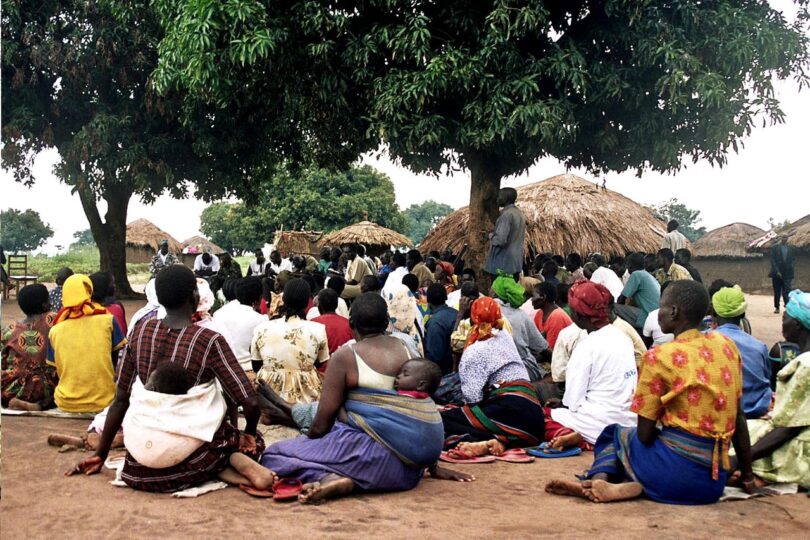
Finally, there must be genuine participation. Communities should not be treated as
passive recipients of development efforts, but as active contributors to the process. We
would love to see more local and indigenous community leaders present in high level
discussions, conferences and workshops. It is important that they see for themselves what
is possible, and understand why development matters and then go back to preach the
gospel to members of their communities.
The Nigerian dream, therefore, cannot remain a conversation among a few. It must
become a shared vision, one that lives not only in policy documents and conference halls,
but also in homes, communities, and everyday interactions across the continent.
Until that alignment is achieved, resistance will continue, not as a rejection of progress,
but as a reflection of disconnection.