
National

Atiku Demands Wage Hike, Promises Increase If Elected

…Says N70,000 Minimum Wage Can Only Buy 50 Litres Of Petrol

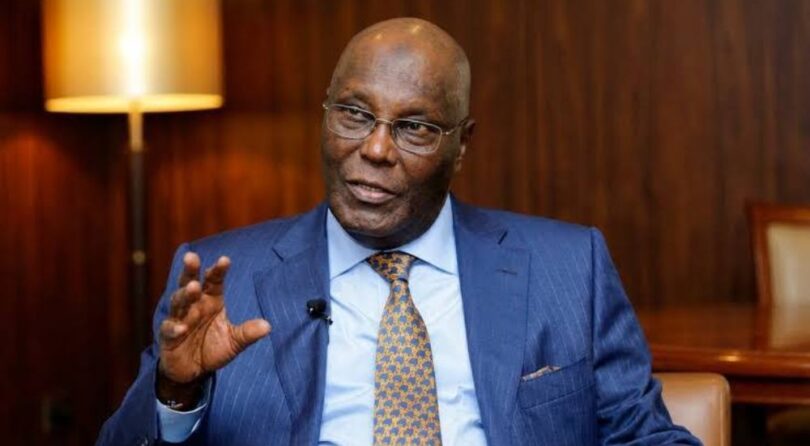
Former Vice President and African Democratic Congress (ADC) presidential candidate, Atiku Abubakar, has called on President Bola Tinubu to immediately increase the national minimum wage, saying the N70,000 wage has been severely eroded by rising costs of fuel, food, transportation and housing.

Atiku made the demand in a statement issued on Sunday by the Director of Strategic Communications of the ADC Presidential Campaign Council, Phrank Shaibu.

He said the increase from N30,000 to N70,000 in 2024 had failed to preserve workers’ purchasing power amid the sharp rise in the cost of living.

The Federal Government and organised labour agreed on the N70,000 minimum wage in July 2024, with President Tinubu reducing the statutory review cycle from five to three years.

But Atiku argued that the economic realities confronting workers had changed significantly since then, urging the government to agree to what he described as a substantial wage increase.

He illustrated the erosion in purchasing power with petrol prices, saying a worker earning N70,000 could buy only about 50 litres of petrol at N1,400 per litre.

“At N1,400 a litre, the entire N70,000 monthly minimum wage buys just 50 litres of petrol. What does the worker take home to feed the children? What pays the rent? What gets that worker back to work on Monday?” he asked.

Atiku said the situation represented a sharp deterioration from the purchasing power of the former N30,000 wage.

According to him, at the April 2023 national average petrol price of N254.06 per litre, N30,000 could buy about 118 litres, compared with only 50 litres for the current N70,000 wage at N1,400 per litre.

He said the nominal increase in wages had therefore not translated into a corresponding improvement in workers’ living standards.

“The payslip has grown, but the purchasing power has shrunk. Workers now earn a bigger figure but can afford less,” Atiku said.

The ADC candidate also criticised the removal of petrol subsidy, arguing that it had increased pressure on households without adequate protection for working families.

He said the effect of higher petrol prices went beyond the cost of transportation, as increased energy and logistics expenses were being passed on to consumers through higher food and other essential commodity prices.

“Petrol does not stay at the pump. Its cost reaches the farm, the bakery, the market and the transport fare paid by families,” he said.

Atiku also argued that Nigeria’s minimum wage does not compare favourably with those of some other African oil-producing countries when measured against exchange rates and purchasing power, although he acknowledged differences in wage structures and living costs across countries.

He challenged the Federal Government to make its position on another wage increase clear, saying workers should not be subjected to endless negotiations without a definite outcome.

“If the government does not intend to raise workers’ pay, it should say so clearly. Nigerian workers deserve an answer, not another cycle of meetings without a meaningful outcome,” he said.

Atiku further promised that an ADC administration under his leadership would begin the process of raising the wage floor from its first day in office if elected in 2027.

“I will begin the work of raising the wage floor from my first day in office,” he said. He also promised measures to reduce the cost of living, including support for domestic production, targeted social protection and interventions in the petroleum sector.

According to him, his proposed targeted production subsidy would support petroleum products refined in Nigeria and sold to Nigerians, subject to spending limits, transparent accounting and independent auditing.

“Government support must translate into measurable relief for Nigerians, particularly at the pump,” Atiku said. He maintained that higher wages alone would not solve the problem if the cost of essential goods and services continued to rise, calling for policies aimed at stabilising food, energy and transportation costs.

The Tinubu administration has previously said the N70,000 minimum wage was negotiated with organised labour and other stakeholders as an urgent response to economic hardship, while committing to a review after three years.

Atiku, however, maintained that the key issue was the purchasing power of Nigerian workers. “Nigerians do not eat government revenue figures. What matters is whether the men and women who work throughout the month can afford to live on their earnings.

“A living wage must be enough to sustain a decent life. It is not a privilege but a basic right.
“Tinubu has made life painfully expensive. I will make life affordable again,” he said.
National

Atiku Demands Wage Hike, Promises Increase If Elected

…Says N70,000 Minimum Wage Can Only Buy 50 Litres Of Petrol

Former Vice President and African Democratic Congress (ADC) presidential candidate, Atiku Abubakar, has called on President Bola Tinubu to immediately increase the national minimum wage, saying the N70,000 wage has been severely eroded by rising costs of fuel, food, transportation and housing.

Atiku made the demand in a statement issued on Sunday by the Director of Strategic Communications of the ADC Presidential Campaign Council, Phrank Shaibu.

He said the increase from N30,000 to N70,000 in 2024 had failed to preserve workers’ purchasing power amid the sharp rise in the cost of living.

The Federal Government and organised labour agreed on the N70,000 minimum wage in July 2024, with President Tinubu reducing the statutory review cycle from five to three years.

But Atiku argued that the economic realities confronting workers had changed significantly since then, urging the government to agree to what he described as a substantial wage increase.

He illustrated the erosion in purchasing power with petrol prices, saying a worker earning N70,000 could buy only about 50 litres of petrol at N1,400 per litre.

“At N1,400 a litre, the entire N70,000 monthly minimum wage buys just 50 litres of petrol. What does the worker take home to feed the children? What pays the rent? What gets that worker back to work on Monday?” he asked.

Atiku said the situation represented a sharp deterioration from the purchasing power of the former N30,000 wage.

According to him, at the April 2023 national average petrol price of N254.06 per litre, N30,000 could buy about 118 litres, compared with only 50 litres for the current N70,000 wage at N1,400 per litre.

He said the nominal increase in wages had therefore not translated into a corresponding improvement in workers’ living standards.

“The payslip has grown, but the purchasing power has shrunk. Workers now earn a bigger figure but can afford less,” Atiku said.

The ADC candidate also criticised the removal of petrol subsidy, arguing that it had increased pressure on households without adequate protection for working families.

He said the effect of higher petrol prices went beyond the cost of transportation, as increased energy and logistics expenses were being passed on to consumers through higher food and other essential commodity prices.

“Petrol does not stay at the pump. Its cost reaches the farm, the bakery, the market and the transport fare paid by families,” he said.

Atiku also argued that Nigeria’s minimum wage does not compare favourably with those of some other African oil-producing countries when measured against exchange rates and purchasing power, although he acknowledged differences in wage structures and living costs across countries.

He challenged the Federal Government to make its position on another wage increase clear, saying workers should not be subjected to endless negotiations without a definite outcome.

“If the government does not intend to raise workers’ pay, it should say so clearly. Nigerian workers deserve an answer, not another cycle of meetings without a meaningful outcome,” he said.

Atiku further promised that an ADC administration under his leadership would begin the process of raising the wage floor from its first day in office if elected in 2027.

“I will begin the work of raising the wage floor from my first day in office,” he said. He also promised measures to reduce the cost of living, including support for domestic production, targeted social protection and interventions in the petroleum sector.

According to him, his proposed targeted production subsidy would support petroleum products refined in Nigeria and sold to Nigerians, subject to spending limits, transparent accounting and independent auditing.

“Government support must translate into measurable relief for Nigerians, particularly at the pump,” Atiku said. He maintained that higher wages alone would not solve the problem if the cost of essential goods and services continued to rise, calling for policies aimed at stabilising food, energy and transportation costs.

The Tinubu administration has previously said the N70,000 minimum wage was negotiated with organised labour and other stakeholders as an urgent response to economic hardship, while committing to a review after three years.

Atiku, however, maintained that the key issue was the purchasing power of Nigerian workers. “Nigerians do not eat government revenue figures. What matters is whether the men and women who work throughout the month can afford to live on their earnings.

“A living wage must be enough to sustain a decent life. It is not a privilege but a basic right.
“Tinubu has made life painfully expensive. I will make life affordable again,” he said.
National

Atiku Demands Wage Hike, Promises Increase If Elected

…Says N70,000 Minimum Wage Can Only Buy 50 Litres Of Petrol

Former Vice President and African Democratic Congress (ADC) presidential candidate, Atiku Abubakar, has called on President Bola Tinubu to immediately increase the national minimum wage, saying the N70,000 wage has been severely eroded by rising costs of fuel, food, transportation and housing.

Atiku made the demand in a statement issued on Sunday by the Director of Strategic Communications of the ADC Presidential Campaign Council, Phrank Shaibu.

He said the increase from N30,000 to N70,000 in 2024 had failed to preserve workers’ purchasing power amid the sharp rise in the cost of living.

The Federal Government and organised labour agreed on the N70,000 minimum wage in July 2024, with President Tinubu reducing the statutory review cycle from five to three years.

But Atiku argued that the economic realities confronting workers had changed significantly since then, urging the government to agree to what he described as a substantial wage increase.

He illustrated the erosion in purchasing power with petrol prices, saying a worker earning N70,000 could buy only about 50 litres of petrol at N1,400 per litre.

“At N1,400 a litre, the entire N70,000 monthly minimum wage buys just 50 litres of petrol. What does the worker take home to feed the children? What pays the rent? What gets that worker back to work on Monday?” he asked.

Atiku said the situation represented a sharp deterioration from the purchasing power of the former N30,000 wage.

According to him, at the April 2023 national average petrol price of N254.06 per litre, N30,000 could buy about 118 litres, compared with only 50 litres for the current N70,000 wage at N1,400 per litre.

He said the nominal increase in wages had therefore not translated into a corresponding improvement in workers’ living standards.

“The payslip has grown, but the purchasing power has shrunk. Workers now earn a bigger figure but can afford less,” Atiku said.

The ADC candidate also criticised the removal of petrol subsidy, arguing that it had increased pressure on households without adequate protection for working families.

He said the effect of higher petrol prices went beyond the cost of transportation, as increased energy and logistics expenses were being passed on to consumers through higher food and other essential commodity prices.

“Petrol does not stay at the pump. Its cost reaches the farm, the bakery, the market and the transport fare paid by families,” he said.

Atiku also argued that Nigeria’s minimum wage does not compare favourably with those of some other African oil-producing countries when measured against exchange rates and purchasing power, although he acknowledged differences in wage structures and living costs across countries.

He challenged the Federal Government to make its position on another wage increase clear, saying workers should not be subjected to endless negotiations without a definite outcome.

“If the government does not intend to raise workers’ pay, it should say so clearly. Nigerian workers deserve an answer, not another cycle of meetings without a meaningful outcome,” he said.

Atiku further promised that an ADC administration under his leadership would begin the process of raising the wage floor from its first day in office if elected in 2027.

“I will begin the work of raising the wage floor from my first day in office,” he said. He also promised measures to reduce the cost of living, including support for domestic production, targeted social protection and interventions in the petroleum sector.

According to him, his proposed targeted production subsidy would support petroleum products refined in Nigeria and sold to Nigerians, subject to spending limits, transparent accounting and independent auditing.

“Government support must translate into measurable relief for Nigerians, particularly at the pump,” Atiku said. He maintained that higher wages alone would not solve the problem if the cost of essential goods and services continued to rise, calling for policies aimed at stabilising food, energy and transportation costs.

The Tinubu administration has previously said the N70,000 minimum wage was negotiated with organised labour and other stakeholders as an urgent response to economic hardship, while committing to a review after three years.

Atiku, however, maintained that the key issue was the purchasing power of Nigerian workers. “Nigerians do not eat government revenue figures. What matters is whether the men and women who work throughout the month can afford to live on their earnings.

“A living wage must be enough to sustain a decent life. It is not a privilege but a basic right.
“Tinubu has made life painfully expensive. I will make life affordable again,” he said.