Nigeria was depicted as a landlocked nation in the Sahara Desert rather than in West Africa.
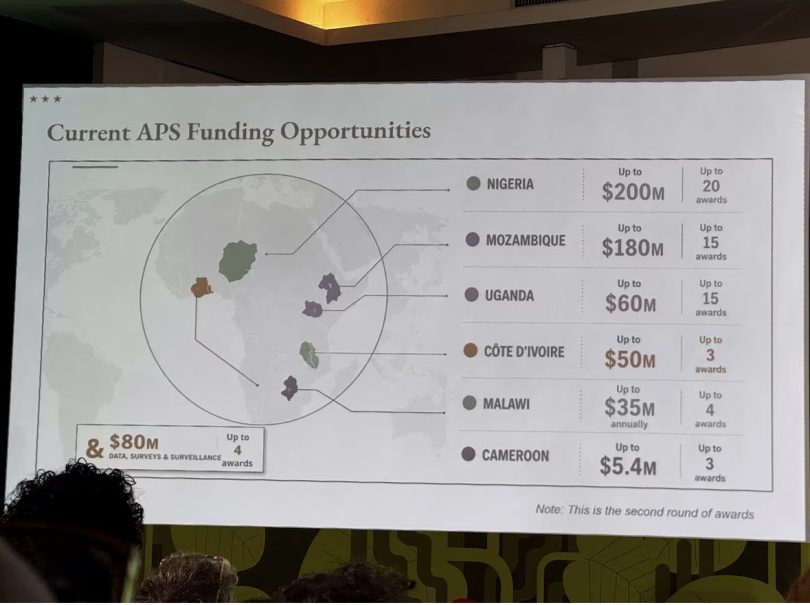
The US State Department displayed an AI-generated map that incorrectly labelled African countries, including placing Nigeria and several others in the wrong parts of the continent.
The presentation was made at the 26th International AIDS Conference (AIDS 2026) in Brazil, Reuters reported.
The map, shown during a session on the State Department’s new global health agreements, misplaced multiple countries.
Nigeria was depicted as a landlocked nation in the Sahara Desert rather than in West Africa, while Mozambique was relocated from southeastern Africa to the Horn of Africa. Côte d’Ivoire was also incorrectly placed on the opposite side of the continent.
The errors quickly drew attention after conference attendees photographed the slide and shared it online.
Reuters reported that an analysis of the presentation video showed the image carried a watermark indicating it had been generated using OpenAI tools. OpenAI said it was investigating the report.
The State Department acknowledged the mistake, saying a staff member had hurriedly modified the presentation shortly before the session.
“We take full responsibility for the confusion and misrepresentation it caused for attendees, including our African partners,” the department said in a statement.
The presentation was delivered by Jeff Graham, the senior US health official overseeing the President’s Emergency Plan for AIDS Relief (PEPFAR), one of the world’s largest HIV/AIDS programmes.
The incident drew criticism from health and policy experts, who questioned how such glaring geographical errors made it into an official presentation.
Reuters quoted Matt Petit, an artificial intelligence and geopolitics specialist at the Atlantic Council, as saying the slide reflected a lack of basic geographical knowledge and inadequate quality control before it was presented.
The inaccurate map gained wider attention after AIDS researcher Emily Bass published screenshots in a Substack post. The images were later widely shared across social media platforms, including LinkedIn.
The incident occurred as the US continues to review its overseas health assistance under President Donald Trump’s administration.
PREMIUM TIMES reports that last year, the administration paused foreign aid funding pending a broader review, disrupting health programmes across several countries.
Although PEPFAR has largely resumed the supply of life saving HIV medicines, the US has reduced spending on other areas, including disease prevention and surveillance.
The administration also plans to phase out PEPFAR operations in South Africa, signalling a broader shift in US global health priorities.